10Sep
Used Apu – Save Money on Your Fleet with a Used APU
For fleet managers, maintaining a balance between operational efficiency and cost management is a perpetual challenge. One often overlooked solution is integrating a used APU (Auxiliary Power Unit) into your fleet. A used APU can offer substantial savings and enhance the performance of your vehicles. Whether you're new to fleet management or looking to cut down on expenses, understanding how a used APU can benefit your fleet is crucial. In this post, we’ll delve into the fundamentals of APUs, explore the financial advantages of opting for a used APU, and uncover how it contributes to improved fuel efficiency and reduced operational costs.
Understanding the Basics of an APU
An Auxiliary Power Unit (APU) is an essential device for trucks, designed to supply energy for functions unrelated to propulsion, such as powering electrical systems and climate control. Originating from the aviation industry, APUs have become invaluable in trucking by reducing the need for the main engine to idle when the vehicle is stationary. This results in significant fuel savings and less engine wear. The core components of an APU include a small internal combustion engine, a generator, and auxiliary systems like an alternator and air conditioning compressor. This compact setup allows the APU to operate independently of the truck's main engine, delivering necessary power to various systems without burning excess fuel. One of the primary advantages of using an APU is its ability to maintain driver comfort without requiring the main engine to run. During mandatory rest periods, drivers can rely on the APU to power heating, cooling, and other electrical devices, ensuring a comfortable and restful break. This functionality is crucial for long-haul truck drivers who spend extended periods on the road and need to adhere to strict rest regulations. In addition to enhancing driver comfort, APUs contribute significantly to operational efficiency. By minimizing engine idling, APUs help fleets save on fuel costs and reduce the frequency of engine maintenance. Less idling means reduced engine hours, leading to prolonged engine life and fewer repairs. This translates to lower overall maintenance costs and less downtime for vehicles, keeping the fleet running smoothly and efficiently. The environmental benefits of using an APU cannot be overlooked either. Reduced idling lowers emissions, helping fleet operators meet environmental regulations and potentially qualify for green incentives. This not only aligns with sustainable practices but also promotes a positive corporate image as an environmentally responsible company. Furthermore, investing in an APU, especially a used one, can provide a cost-effective solution for enhancing fleet operations. Used APUs, when well-maintained and properly refurbished, offer reliable performance at a lower upfront cost, making them an attractive option for budget-conscious fleet managers. By incorporating APUs into your fleet, you can achieve a balance of operational efficiency, cost savings, and environmental responsibility.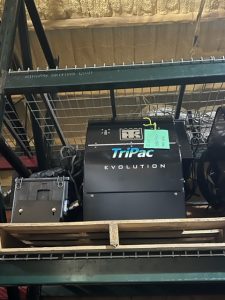 Upfront Cost Savings with Used APUs
Opting for a used APU can provide immediate and significant financial relief for fleet managers. New APUs come with hefty price tags, making used units an attractive alternative for budget-conscious operations. The pre-owned market offers a wide range of models and prices, giving you the flexibility to find an APU that fits both your needs and financial constraints. Used APUs often undergo extensive refurbishment and testing, ensuring they meet performance standards similar to new units. This rigorous process includes checking the internal combustion engine, generator, and auxiliary systems like the alternator and air conditioning compressor, guaranteeing that the APU functions efficiently. Another advantage is the slower depreciation rate of used APUs compared to new ones. When you purchase a used unit, it retains a greater portion of its value over time, which can be beneficial if you decide to resell or upgrade in the future. This slower depreciation rate also provides more financial stability and flexibility, allowing for better long-term budgeting. Investing in a used APU doesn’t just save on the initial purchase price; it also offers lower insurance premiums. Insurers often base their rates on the value of the equipment, so a used APU typically costs less to insure than a brand-new unit. This reduction in insurance expenses adds another layer of savings to your overall operational costs. Moreover, the availability of parts for used APUs is often more abundant and less expensive, making maintenance more cost-effective. Since these units have been in circulation longer, mechanics are generally more familiar with their repair and upkeep, potentially lowering labor costs. By choosing a well-maintained used APU, fleet managers can achieve substantial upfront cost savings without compromising on reliability or performance.
Fuel Efficiency and Lower Operational Costs
Fuel efficiency is a critical aspect of fleet management, and APUs contribute significantly by reducing engine idling. Studies indicate that an APU can save up to a gallon of fuel per hour, depending on idling habits and vehicle type. These fuel savings accumulate over time, leading to substantial cost reductions. Using a used APU also helps in minimizing the environmental impact of your fleet. Reduced engine idling leads to lower emissions, helping fleets meet stringent environmental regulations. Additionally, the lower emissions can make your fleet eligible for various green incentives and rebates, further enhancing your cost savings. Operational costs are another area where used APUs provide substantial benefits. With the main engine experiencing less wear and tear due to reduced idling, there is a significant decrease in maintenance and repair expenses. This results in fewer breakdowns and less downtime, ensuring that your vehicles remain operational and productive. Moreover, APUs are pivotal in maintaining driver comfort during rest periods by independently powering climate control systems. This not only ensures compliance with mandatory rest regulations but also enhances driver satisfaction and productivity. Happy drivers are less likely to leave, reducing the high costs associated with recruiting and training new employees. In summary, integrating used APUs into your fleet leads to enhanced fuel efficiency and lower operational costs. The accumulated savings in fuel, maintenance, and driver retention contribute to a more cost-effective and efficient fleet operation.
Upfront Cost Savings with Used APUs
Opting for a used APU can provide immediate and significant financial relief for fleet managers. New APUs come with hefty price tags, making used units an attractive alternative for budget-conscious operations. The pre-owned market offers a wide range of models and prices, giving you the flexibility to find an APU that fits both your needs and financial constraints. Used APUs often undergo extensive refurbishment and testing, ensuring they meet performance standards similar to new units. This rigorous process includes checking the internal combustion engine, generator, and auxiliary systems like the alternator and air conditioning compressor, guaranteeing that the APU functions efficiently. Another advantage is the slower depreciation rate of used APUs compared to new ones. When you purchase a used unit, it retains a greater portion of its value over time, which can be beneficial if you decide to resell or upgrade in the future. This slower depreciation rate also provides more financial stability and flexibility, allowing for better long-term budgeting. Investing in a used APU doesn’t just save on the initial purchase price; it also offers lower insurance premiums. Insurers often base their rates on the value of the equipment, so a used APU typically costs less to insure than a brand-new unit. This reduction in insurance expenses adds another layer of savings to your overall operational costs. Moreover, the availability of parts for used APUs is often more abundant and less expensive, making maintenance more cost-effective. Since these units have been in circulation longer, mechanics are generally more familiar with their repair and upkeep, potentially lowering labor costs. By choosing a well-maintained used APU, fleet managers can achieve substantial upfront cost savings without compromising on reliability or performance.
Fuel Efficiency and Lower Operational Costs
Fuel efficiency is a critical aspect of fleet management, and APUs contribute significantly by reducing engine idling. Studies indicate that an APU can save up to a gallon of fuel per hour, depending on idling habits and vehicle type. These fuel savings accumulate over time, leading to substantial cost reductions. Using a used APU also helps in minimizing the environmental impact of your fleet. Reduced engine idling leads to lower emissions, helping fleets meet stringent environmental regulations. Additionally, the lower emissions can make your fleet eligible for various green incentives and rebates, further enhancing your cost savings. Operational costs are another area where used APUs provide substantial benefits. With the main engine experiencing less wear and tear due to reduced idling, there is a significant decrease in maintenance and repair expenses. This results in fewer breakdowns and less downtime, ensuring that your vehicles remain operational and productive. Moreover, APUs are pivotal in maintaining driver comfort during rest periods by independently powering climate control systems. This not only ensures compliance with mandatory rest regulations but also enhances driver satisfaction and productivity. Happy drivers are less likely to leave, reducing the high costs associated with recruiting and training new employees. In summary, integrating used APUs into your fleet leads to enhanced fuel efficiency and lower operational costs. The accumulated savings in fuel, maintenance, and driver retention contribute to a more cost-effective and efficient fleet operation.
Upfront Cost Savings with Used APUs
Opting for a used APU can provide immediate and significant financial relief for fleet managers. New APUs come with hefty price tags, making used units an attractive alternative for budget-conscious operations. The pre-owned market offers a wide range of models and prices, giving you the flexibility to find an APU that fits both your needs and financial constraints. Used APUs often undergo extensive refurbishment and testing, ensuring they meet performance standards similar to new units. This rigorous process includes checking the internal combustion engine, generator, and auxiliary systems like the alternator and air conditioning compressor, guaranteeing that the APU functions efficiently. Another advantage is the slower depreciation rate of used APUs compared to new ones. When you purchase a used unit, it retains a greater portion of its value over time, which can be beneficial if you decide to resell or upgrade in the future. This slower depreciation rate also provides more financial stability and flexibility, allowing for better long-term budgeting. Investing in a used APU doesn’t just save on the initial purchase price; it also offers lower insurance premiums. Insurers often base their rates on the value of the equipment, so a used APU typically costs less to insure than a brand-new unit. This reduction in insurance expenses adds another layer of savings to your overall operational costs. Moreover, the availability of parts for used APUs is often more abundant and less expensive, making maintenance more cost-effective. Since these units have been in circulation longer, mechanics are generally more familiar with their repair and upkeep, potentially lowering labor costs. By choosing a well-maintained used APU, fleet managers can achieve substantial upfront cost savings without compromising on reliability or performance.
Fuel Efficiency and Lower Operational Costs
Fuel efficiency is a critical aspect of fleet management, and APUs contribute significantly by reducing engine idling. Studies indicate that an APU can save up to a gallon of fuel per hour, depending on idling habits and vehicle type. These fuel savings accumulate over time, leading to substantial cost reductions. Using a used APU also helps in minimizing the environmental impact of your fleet. Reduced engine idling leads to lower emissions, helping fleets meet stringent environmental regulations. Additionally, the lower emissions can make your fleet eligible for various green incentives and rebates, further enhancing your cost savings. Operational costs are another area where used APUs provide substantial benefits. With the main engine experiencing less wear and tear due to reduced idling, there is a significant decrease in maintenance and repair expenses. This results in fewer breakdowns and less downtime, ensuring that your vehicles remain operational and productive. Moreover, APUs are pivotal in maintaining driver comfort during rest periods by independently powering climate control systems. This not only ensures compliance with mandatory rest regulations but also enhances driver satisfaction and productivity. Happy drivers are less likely to leave, reducing the high costs associated with recruiting and training new employees. In summary, integrating used APUs into your fleet leads to enhanced fuel efficiency and lower operational costs. The accumulated savings in fuel, maintenance, and driver retention contribute to a more cost-effective and efficient fleet operation.
 Enhanced Fuel Efficiency and Reduced Idling Time
Deploying used APUs across your fleet serves as a catalyst for boosting fuel economy. These auxiliary power units empower vehicles to sustain cabin functions—such as climate control and electronic device operation—without engaging the main engine. This pivotal capability allows fleets to circumvent the traditional need for prolonged idling, which is a notorious fuel guzzler and emitter of greenhouse gases. By leveraging used APUs, fleet operators are positioned to not only trim down fuel expenses but also advance towards a greener operational model. This reduction in idling is instrumental in enhancing the operational lifespan of the fleet. Prolonged engine idling is not merely a matter of wasted fuel; it also accelerates engine degradation, augmenting the frequency and cost of maintenance and repairs. The alleviation of this stress on the vehicle’s main engine, afforded by the use of used APUs, can substantially diminish the wear and tear experienced during routine operations. As a result, vehicles are likely to require fewer repairs over their service life, contributing to a decrease in overall maintenance expenditures.
Moreover, the strategic reduction of idling time aligns with broader environmental objectives. As fleets consume less fuel, they invariably release fewer emissions into the atmosphere, positioning the adopting company as a proactive participant in the fight against climate change. This alignment with environmental sustainability can bolster a company's reputation, potentially attracting customers who prioritize eco-conscious business practices. The efficiency gains and environmental benefits underscore the multifaceted value of incorporating used APUs into a fleet. Beyond the immediate financial savings, the ripple effects of reduced fuel consumption and emissions, alongside the extended vehicle lifespans, underscore the broader operational advantages. These units not only contribute to a more cost-efficient fleet but also support the transition towards more sustainable business practices.
Improving Driver Comfort and Productivity
Integrating used APUs into your vehicle fleet offers a remarkable enhancement in the comfort and productivity of your drivers. These units enable essential cab functions such as heating, air conditioning, and powering electronic devices without the engine running. This capability significantly elevates the level of comfort for drivers during breaks and rest periods, promoting a more pleasant and conducive working environment. The implications of this improved comfort are manifold. Firstly, drivers who experience a comfortable rest environment are less prone to fatigue. Fatigue, a critical factor in driver performance, can lead to decreased concentration and slower reaction times, increasing the likelihood of accidents on the road. By ensuring that drivers can rest in a comfortable, climate-controlled environment without idling the engine, used APUs directly contribute to enhancing road safety and reducing the risk of costly accidents. Additionally, this enhancement in driver comfort has a direct correlation with job satisfaction and retention. Drivers who feel their well-being is prioritized by their employers are more likely to report higher levels of job satisfaction, which in turn fosters loyalty and reduces turnover rates. In the competitive landscape of fleet operations, attracting and retaining skilled drivers is paramount. Offering a comfortable and efficient working environment can be a significant differentiator. Moreover, the ability to maintain a comfortable cab environment with used APUs also means that drivers are more alert and focused during driving periods. Well-rested drivers are inherently safer and more productive, capable of maintaining schedules and ensuring timely deliveries. This increased productivity not only benefits the drivers in terms of job satisfaction but also enhances the overall efficiency of fleet operations. In essence, the adoption of used APUs transcends mere cost savings and environmental benefits. It plays a pivotal role in promoting driver well-being, which is instrumental in achieving a safer, more productive, and ultimately more profitable fleet operation. This holistic approach to fleet management, emphasizing both economic and human factors, underscores the profound impact of used APUs on the industry.
Enhanced Fuel Efficiency and Reduced Idling Time
Deploying used APUs across your fleet serves as a catalyst for boosting fuel economy. These auxiliary power units empower vehicles to sustain cabin functions—such as climate control and electronic device operation—without engaging the main engine. This pivotal capability allows fleets to circumvent the traditional need for prolonged idling, which is a notorious fuel guzzler and emitter of greenhouse gases. By leveraging used APUs, fleet operators are positioned to not only trim down fuel expenses but also advance towards a greener operational model. This reduction in idling is instrumental in enhancing the operational lifespan of the fleet. Prolonged engine idling is not merely a matter of wasted fuel; it also accelerates engine degradation, augmenting the frequency and cost of maintenance and repairs. The alleviation of this stress on the vehicle’s main engine, afforded by the use of used APUs, can substantially diminish the wear and tear experienced during routine operations. As a result, vehicles are likely to require fewer repairs over their service life, contributing to a decrease in overall maintenance expenditures.
Moreover, the strategic reduction of idling time aligns with broader environmental objectives. As fleets consume less fuel, they invariably release fewer emissions into the atmosphere, positioning the adopting company as a proactive participant in the fight against climate change. This alignment with environmental sustainability can bolster a company's reputation, potentially attracting customers who prioritize eco-conscious business practices. The efficiency gains and environmental benefits underscore the multifaceted value of incorporating used APUs into a fleet. Beyond the immediate financial savings, the ripple effects of reduced fuel consumption and emissions, alongside the extended vehicle lifespans, underscore the broader operational advantages. These units not only contribute to a more cost-efficient fleet but also support the transition towards more sustainable business practices.
Improving Driver Comfort and Productivity
Integrating used APUs into your vehicle fleet offers a remarkable enhancement in the comfort and productivity of your drivers. These units enable essential cab functions such as heating, air conditioning, and powering electronic devices without the engine running. This capability significantly elevates the level of comfort for drivers during breaks and rest periods, promoting a more pleasant and conducive working environment. The implications of this improved comfort are manifold. Firstly, drivers who experience a comfortable rest environment are less prone to fatigue. Fatigue, a critical factor in driver performance, can lead to decreased concentration and slower reaction times, increasing the likelihood of accidents on the road. By ensuring that drivers can rest in a comfortable, climate-controlled environment without idling the engine, used APUs directly contribute to enhancing road safety and reducing the risk of costly accidents. Additionally, this enhancement in driver comfort has a direct correlation with job satisfaction and retention. Drivers who feel their well-being is prioritized by their employers are more likely to report higher levels of job satisfaction, which in turn fosters loyalty and reduces turnover rates. In the competitive landscape of fleet operations, attracting and retaining skilled drivers is paramount. Offering a comfortable and efficient working environment can be a significant differentiator. Moreover, the ability to maintain a comfortable cab environment with used APUs also means that drivers are more alert and focused during driving periods. Well-rested drivers are inherently safer and more productive, capable of maintaining schedules and ensuring timely deliveries. This increased productivity not only benefits the drivers in terms of job satisfaction but also enhances the overall efficiency of fleet operations. In essence, the adoption of used APUs transcends mere cost savings and environmental benefits. It plays a pivotal role in promoting driver well-being, which is instrumental in achieving a safer, more productive, and ultimately more profitable fleet operation. This holistic approach to fleet management, emphasizing both economic and human factors, underscores the profound impact of used APUs on the industry.
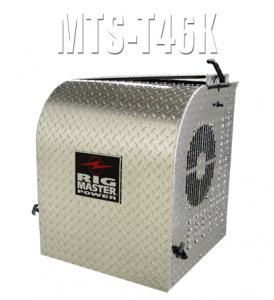 quality of life for drivers during long-haul routes. Additionally, Rigmaster APUs are instrumental in reducing the need for engine idling, a common practice used to power ancillary functions but one that results in unnecessary fuel consumption and increased engine wear. By offering a standalone source of power for heating, cooling, and electrical needs, these units directly contribute to a reduction in fuel use. This not only translates to considerable cost savings but also decreases the environmental impact associated with prolonged engine operation. Reducing engine idling is also crucial for extending the lifespan of the truck's main engine, ensuring that it remains operational for longer periods without the need for significant maintenance or repairs. These core functions of Rigmaster APUs—enhanced climate control, independent electrical power supply, and a significant reduction in the need for engine idling—demonstrate their integral role in improving the operational effectiveness of truck fleets while simultaneously elevating the living and working conditions of drivers on the road.
 penalties associated with keeping the main engine running. This groundbreaking efficiency translates into direct cost savings. For fleet operators and independent drivers alike, the equation is simple: less fuel consumed equals more money saved. This economic advantage is further amplified when considering the broader implications of reduced engine wear. By minimizing the need for the main engine to idle, the Carrier APU not only cuts down on immediate fuel costs but also contributes to a longer engine lifespan, reducing the frequency and severity of maintenance requirements. This dual benefit of fuel efficiency and cost savings underscores the Carrier APU's role as a vital tool for economic sustainability in the demanding world of trucking, providing a swift return on investment and supporting a more profitable operation.
 If your business is in the fleet industry, it's essential to be aware of new regulations and changes that could affect your operation. One such change is the shift in idling laws. With the emerging trend of strict idling laws, it's time to explore options like an