
Grants & Incentives for Clean Truck APUs

Grants & Incentives for Clean Truck APUs: Stop Wasting Fuel – Start Saving Money

For owner-operators and fleet managers, every dollar saved on fuel and maintenance directly impacts the bottom line. In an industry defined by tight margins and relentless schedules, unnecessary expenses are simply unsustainable. Idling main engines to provide cabin comfort and power electrical accessories isn't just wasteful; it's a drain on your profits, a contributor to engine wear, and a significant source of emissions. The solution is clear: invest in clean Auxiliary Power Units (APUs). But the initial outlay for these advanced systems can be a hurdle. This is where a deep understanding of available

grants for clean APUs

and

clean auxiliary power incentives

becomes critical. It's not just about compliance; it's about smart business, securing your operational future, and putting more money back in your pocket.

Our team at APU Center, with decades of combined field experience turning wrenches on everything from Thermo King Tripac to Espar and Webasto units, understands the practical challenges you face. We know the smell of diesel, the hum of an engine, and the relentless pressure to cut costs without sacrificing comfort or reliability. This guide isn't theoretical; it’s built on the realities of the road, designed to equip you with the knowledge to leverage

APU funding programs

and drastically reduce your total cost of ownership.

The Imperative for Clean Auxiliary Power: Beyond Compliance

The transition to cleaner APU technologies isn't merely a response to tightening environmental regulations; it's a strategic move that delivers tangible economic benefits. While anti-idling laws have driven initial adoption, the true value proposition of a modern, clean APU extends far beyond avoiding fines. These units are engineered to provide efficient climate control, power essential onboard electronics, and charge batteries, all without running the truck's main engine. The result? Significant operational savings and a reduced environmental footprint.

  • Dramatic Fuel Savings: A truck engine idling for eight hours can consume several gallons of diesel, often at a rate of 0.8 to 1.2 gallons per hour. A clean, efficient APU typically uses a fraction of that, often 0.1 to 0.3 gallons per hour for diesel models, or zero fuel for battery-electric systems. Over a year, this translates to thousands of dollars in direct fuel cost reductions.
  • Reduced Engine Wear and Maintenance: Idling causes excessive wear on engine components, leading to increased oil consumption, carbon buildup, and accelerated depreciation of the main engine. By minimizing idle time, APUs extend the life of your truck's primary engine, reducing costly repairs and extending intervals for major overhauls. This directly impacts your preventative APU maintenance schedule and overall fleet longevity.
  • Improved Driver Comfort and Retention: A comfortable sleeper cab is not a luxury; it's a necessity for driver well-being and productivity. APUs ensure consistent heating and cooling, quiet operation, and reliable power for amenities like microwaves and laptops, leading to better rest and higher job satisfaction. In an industry battling driver shortages, this is a critical factor for retention.
  • Environmental Stewardship: Clean APUs significantly reduce greenhouse gas emissions (CO2, NOx, particulate matter) compared to main engine idling. This not only aligns with corporate sustainability goals but also positions your fleet as an environmentally responsible operator, a growing consideration for shippers and consumers.
  • Compliance with Anti-Idling Regulations: Many states and municipalities enforce strict anti-idling laws, often limiting idle time to 5-10 minutes. APUs provide a legal and practical solution to these regulations, preventing fines and operational disruptions. Understanding why auxiliary power units are essential for modern fleets goes hand-in-hand with regulatory compliance.

Defining "Clean" in Auxiliary Power Units

When we talk about "clean APUs," we're generally referring to systems that dramatically reduce or eliminate emissions compared to traditional main engine idling. This encompasses several key technologies, each with its own advantages and grant eligibility considerations:

Battery-Electric APUs

These systems are truly zero-emission at the point of use. They rely on a bank of deep-cycle batteries, often advanced lithium-ion battery technology, to power an electric air conditioning compressor, heater, and inverter for cabin power. The batteries are recharged while the truck is driving or when connected to shore power. Battery-electric APUs offer silent operation, eliminate fuel consumption during rest periods, and require minimal maintenance. They are often the primary focus of the most aggressive clean transportation incentives.

Shore Power Systems

While not an APU in the traditional sense, shore power systems allow a truck to connect to an external electrical grid (like at truck stops with electrified parking spaces). This provides power for HVAC and appliances without running any engine. Many grant programs support the installation of shore power infrastructure and the necessary truck-side equipment, as it represents a significant step towards zero-emission idling.

Highly Efficient Diesel APUs (Tier 4 Final Compliant)

For applications where battery-only solutions may not provide sufficient runtime or heating capacity in extreme conditions, modern diesel-powered APUs are far cleaner than their predecessors. These units feature small, fuel-efficient diesel engines that meet stringent EPA Tier 4 Final emissions standards. They are designed to operate at optimal RPMs, burning fuel more completely and producing significantly fewer pollutants than a large truck engine idling. While not zero-emission, their vastly lower emissions and fuel consumption make them eligible for many

fleet sustainability grants

.

Navigating the Landscape of APU Funding Programs

Finding the right grant or incentive program requires diligent research and an understanding of the various levels of government and private organizations offering support. The key is to recognize that these programs are often designed to meet specific environmental or economic objectives, and your project must align with those goals.

Federal Programs: The Big Players

The federal government, primarily through the Environmental Protection Agency (EPA) and the Department of Energy (DOE), offers substantial funding for clean transportation initiatives. These programs often serve as the foundation upon which state and local incentives are built.

  • Diesel Emissions Reduction Act (DERA) Program: This is arguably the most significant federal program for clean diesel technologies, including APUs. DERA grants, administered by the Environmental Protection Agency (EPA), aim to reduce emissions from existing diesel engines. Funds are often distributed to states, tribal organizations, and non-profits, which then run their own sub-grant programs. DERA typically supports the replacement or upgrade of older, dirtier diesel engines or equipment with newer, cleaner alternatives, making efficient diesel APUs and battery-electric APUs prime candidates.
  • Clean School Bus Program: While primarily focused on school buses, some aspects of broader clean transportation initiatives under the EPA or Department of Transportation (DOT) may indirectly support technologies that could be adapted for commercial trucking, especially regarding charging infrastructure or battery technology advancements.
  • Department of Energy (DOE) Initiatives: The DOE often funds research, development, and deployment of advanced vehicle technologies and alternative fuels. Programs aimed at improving fuel efficiency or reducing petroleum dependence can sometimes include incentives for APU adoption. The Department of Energy's Alternative Fuels Data Center is an excellent resource for staying informed on these developments.
  • Infrastructure Investment and Jobs Act (IIJA): This landmark legislation has allocated billions for clean transportation infrastructure, including electric vehicle charging and alternative fueling stations. While not directly for APUs, it creates an ecosystem that supports battery-electric solutions and shore power, which can indirectly benefit fleets adopting these technologies.

State-Level Auxiliary Power Incentives: Where the Rubber Meets the Road

Many states, particularly those with significant air quality concerns or strong environmental mandates, offer their own robust incentive programs. These can vary widely in structure and eligibility, so thorough research specific to your operating regions is essential.

  • California Air Resources Board (CARB): California is a leader in emissions reduction, and CARB offers numerous programs, such as the Carl Moyer Memorial Air Quality Standards Attainment Program. These programs frequently provide substantial rebates or grants for new, cleaner APUs, including battery-electric and highly efficient diesel units, as well as shore power installations. The California Air Resources Board (CARB) website is a must-visit for any fleet operating in the state.
  • Texas Emissions Reduction Plan (TERP): Texas, another state with heavy trucking activity, offers incentives through TERP to reduce emissions from mobile sources. This often includes grants for replacing or upgrading engines and equipment with cleaner alternatives, making APUs a strong candidate.
  • New York State Department of Environmental Conservation (NYSDEC): New York provides funding for various clean transportation projects, often utilizing DERA funds or state-specific allocations to encourage the adoption of technologies like APUs.
  • Other States: States like Pennsylvania, New Jersey, Washington, Oregon, and others frequently have grant programs administered by their respective environmental protection agencies or departments of transportation. These might include:

    • Rebate Programs: Direct cash back after purchasing and installing an eligible APU.
    • Grant Programs: Competitive funding for projects that demonstrate significant emissions reductions.
    • Tax Credits: Reductions in state income or property taxes for investing in clean technologies.
    • Low-Interest Loans: Financial assistance to cover the upfront cost of clean APUs.

Local and Regional APU Funding Opportunities: Don't Overlook the Grassroots

Beyond federal and state initiatives, many local air quality districts, metropolitan planning organizations (MPOs), and even port authorities offer targeted incentive programs. These are often smaller in scale but can be less competitive and more tailored to specific local needs.

  • Air Quality Management Districts: In areas with non-attainment status for air quality (i.e., failing to meet federal air quality standards), local districts often have dedicated funding to reduce emissions from mobile sources.
  • Port Authorities: Major ports are often significant sources of emissions. Many port authorities offer incentives for drayage trucks and other port-serving vehicles to adopt cleaner technologies, including APUs, to improve air quality in surrounding communities.
  • MPOs and Regional Councils: These organizations often manage federal transportation funds and can sometimes allocate portions for clean vehicle technologies or infrastructure projects.

Navigating the Application Process: Practical Steps for Success

Securing

APU funding programs

isn't always straightforward. It requires attention to detail, thorough documentation, and a clear understanding of the program's objectives. Here's a "grease-under-the-fingernails" guide to getting it done:

  1. Research, Research, Research: Start by identifying programs relevant to your operating locations and fleet type. Use online databases, government agency websites, and industry associations. Pay close attention to eligibility criteria, deadlines, and funding cycles.
  2. Understand Eligibility: Not all APUs qualify for all grants. Ensure the specific APU model you're considering meets the program's emissions standards (e.g., Tier 4 Final for diesel, zero-emission for electric) and other requirements. Some grants are restricted to specific vehicle types or fleet sizes.
  3. Gather Your Documentation: Grant applications are paper-heavy. Be prepared to provide:

    • Proof of ownership and vehicle registration.
    • Operating history and mileage data.
    • Current idling habits (if trackable).
    • Quotes for the APU purchase and installation.
    • Business financial statements (for larger grants).
    • Employer Identification Number (EIN).

  4. Quantify the Impact: Programs want to see results. Calculate the projected fuel savings, emissions reductions, and operational benefits of installing the APU. Provide concrete numbers. For instance, "installing 10 battery-electric APUs will reduce diesel consumption by X gallons annually and cut CO2 emissions by Y tons."
  5. Craft a Compelling Narrative: Beyond numbers, articulate why your fleet needs the funding and how it aligns with the program's goals. Emphasize improved driver conditions, enhanced efficiency, and your commitment to sustainability.
  6. Adhere to Deadlines and Instructions: Missed deadlines or incomplete applications are common reasons for rejection. Follow all instructions precisely. If you have questions, contact the program administrator directly.
  7. Consider Professional Assistance: For larger fleets or complex applications, grant writing consultants who specialize in clean transportation can be a worthwhile investment. They understand the nuances of federal and state programs and can significantly improve your chances of success.

Beyond Grants: Additional Strategies for Reducing APU Costs

While grants and incentives are powerful tools for

reducing APU costs

, they aren't the only avenue. Savvy owner-operators and fleet managers employ a multi-faceted approach to maximize their investment in clean auxiliary power.

Tax Incentives and Deductions

The federal tax code offers incentives for businesses investing in certain equipment. Consult with a tax professional, but generally, Section 179 of the IRS tax code allows businesses to deduct the full purchase price of qualifying equipment, including APUs, from their gross income. This can provide significant savings in the year of purchase. Additionally, some states offer their own tax credits for clean vehicle technologies.

Long-Term ROI Analysis

Even without grants, a comprehensive return on investment (ROI) analysis often demonstrates the financial viability of APUs. Factor in:

  • Fuel savings (main engine vs. APU).
  • Reduced main engine maintenance and extended engine life.
  • Lower operating hours on the main engine (impacting resale value positively).
  • Avoided idling fines.
  • Improved driver retention and productivity.

When you account for these factors, the payback period for an APU can often be surprisingly short, making them a smart investment regardless of external funding. For a comprehensive overview, consider consulting an Ultimate Guide to Truck APUs to understand all aspects of the investment.

Financing and Leasing Options

Many APU providers and equipment financiers offer specialized financing or leasing programs. These can help spread the upfront cost over several years, making the investment more manageable. Lease-to-own options can provide the benefits of ownership without the initial capital expenditure.

Utility Incentives for Shore Power Infrastructure

If you operate a private fleet yard or have dedicated parking, explore incentives from your local utility company for installing shore power infrastructure. Many utilities offer rebates or favorable rates for commercial customers investing in electrification projects that reduce grid strain during peak hours or support clean energy initiatives.

Partnering with the Right Expertise

Choosing the right APU and navigating the grant landscape requires more than just knowing what's out there; it demands technical expertise. At APU Center, our team has hands-on experience with leading brands like Thermo King (Tripac/Evolution), Honda, Espar, Webasto, and Aries. We don't just sell units; we understand the intricacies of an APU's electrical system integration, installation, troubleshooting, and long-term maintenance. We can help you identify APU solutions that not only meet your operational needs but are also prime candidates for available funding programs.

Don't let the initial cost deter you from making a smart investment in your fleet's future. With the right information and strategic approach, grants and incentives can significantly offset the expense, allowing you to stop wasting fuel and start saving money today.

Frequently Asked Questions About Clean APU Grants

What exactly is a "clean APU" for grant purposes?

For grant purposes, a "clean APU" typically refers to battery-electric APUs (zero-emission at point of use) or highly efficient diesel APUs that meet stringent emissions standards, such as EPA Tier 4 Final. Some programs may also consider shore power connection systems as a clean idling solution.

Am I eligible for federal grants if I'm an owner-operator?

Direct federal grants often go to states, larger organizations, or regional entities. However, owner-operators can often access federal funds indirectly through state or local sub-grant programs that receive federal allocations, such as DERA. Always check the specific program's eligibility criteria, as some are geared towards fleets of a certain size.

How do I find state-specific APU incentive programs?

The best way to find state-specific programs is to visit the websites of your state's Department of Environmental Protection (or equivalent), Air Resources Board, or Department of Transportation. Many states have dedicated sections for clean transportation or diesel emissions reduction programs. Industry associations and APU dealers can also be valuable resources.

What kind of documentation will I need to apply for an APU grant?

Expect to provide vehicle registration, proof of ownership, business financial information, detailed quotes for the APU purchase and installation, and potentially data on your current idling practices. Programs want to see how the APU will reduce emissions and save fuel, so be prepared to quantify these benefits.

Can I combine multiple grants or incentives for one APU purchase?

It depends on the specific programs. Some grants expressly forbid being combined with other public funds, while others may allow it. It's crucial to read the terms and conditions of each program carefully or consult with the grant administrator to understand stacking rules.

How long does the grant application process usually take?

The timeline varies widely. Researching and preparing an application can take weeks. Once submitted, the review and approval process can range from a few weeks to several months, depending on the program's complexity and funding cycle. It's wise to start the process well in advance of your desired installation date.
Read more...

APU Integration: Truck’s Electrical System How-To

APU Integration: Truck's Electrical System How-To

For any owner-operator or fleet manager, an Auxiliary Power Unit (APU) represents a significant investment aimed at reducing idling costs, improving driver comfort, and extending engine life. However, merely installing an APU isn't enough to unlock its full potential. The true value, and the promise of saving money by stopping fuel waste, lies in its seamless and correct APU electrical system integration with your truck's existing infrastructure. Done right, it ensures reliable power, optimal battery health, and maximum efficiency. Done wrong, it leads to costly downtime, premature component failure, and even safety hazards.

At The APU Center, our technical team has decades of combined field experience, tackling everything from initial system design to complex electrical troubleshooting across leading APU brands like Thermo King (Tripac/Evolution), Honda, Espar, Webasto, and Aries. We understand the intricacies of a truck's 12V system and the demands placed upon it. This guide provides a no-nonsense, "grease-under-the-fingernails" approach to understanding and executing superior APU electrical system integration, ensuring your investment pays dividends for years to come.

Why Proper APU Electrical System Integration is Non-Negotiable

The APU is more than just an engine and an alternator; it's a sophisticated power management system. Its electrical integration dictates its performance, longevity, and safety. Here’s why getting it right is critical:

  • Safety: Incorrect wiring, inadequate fusing, or poor grounding can lead to overheating, electrical fires, and component damage. This isn't just about equipment; it's about driver safety.
  • Reliability: A properly integrated APU consistently delivers the power needed for HVAC, electronics, and charging, minimizing unexpected failures and downtime.
  • Efficiency: Optimized wiring minimizes voltage drop, ensuring maximum power delivery to all connected loads and efficient charging of the truck's batteries. This directly translates to fuel savings.
  • Battery Longevity: Intelligent charging systems, correctly wired, prevent overcharging or undercharging of both the APU's dedicated batteries (if applicable) and the truck's main battery bank, significantly extending their lifespan.
  • Compliance: Adhering to manufacturer specifications and industry standards ensures your setup meets regulatory requirements and maintains warranty validity.

Core Components of an APU Electrical System

Before diving into the "how-to," it's essential to understand the primary electrical components involved in an auxiliary power unit setup:

APU Generator/Alternator

This is the heart of the APU's electrical output. Most truck APUs feature an alternator that produces 12V DC power, similar to your truck's main engine alternator. Its output capacity (e.g., 60A, 80A, 100A) determines how much power the APU can generate for charging batteries and running accessories.

Batteries

An APU system typically interacts with the truck's existing 12V battery bank. Some advanced systems or specific APU models may incorporate dedicated "house" batteries for the APU, separate from the truck's starting batteries, to ensure the truck can always start. Proper battery type and capacity are paramount. For insights into battery technology, consider exploring the advantages and disadvantages of different types, such as those discussed in Li-ion Batteries in Trucking: Pros, Cons, Safety.

Inverter

Many APUs include or integrate with an inverter. This device converts the 12V DC power from the batteries (charged by the APU alternator) into 120V AC household power, allowing drivers to run microwaves, laptops, TVs, and other standard appliances in the cab.

Charger/Converter

This component manages the charging process. It ensures that the APU's alternator efficiently charges both the APU's batteries (if separate) and the truck's main battery bank. Modern systems often include smart chargers that monitor battery state and optimize charging cycles.

Control Module and Wiring Harness

The APU's control module is its brain, managing starting, stopping, temperature control, and integrating with safety features. A robust wiring harness connects all these components, ensuring proper communication and power flow.

Understanding Your Truck's 12V System for APU Integration

Your semi-truck's electrical system is a complex network, and the APU must become a seamless part of it. A typical heavy-duty truck operates on a 12-volt DC system, powered by multiple batteries (often 3 or 4 in series-parallel for 12V output and high amperage capacity) and a high-output alternator.

Battery Banks: Starting vs. Auxiliary

Most trucks use their battery bank for both starting the engine and powering accessories. When integrating an APU, the goal is often to use the APU to charge these main batteries, thereby reducing the load on the truck's main alternator and minimizing parasitic drain when the engine is off. In some cases, especially with larger power demands or specific APU configurations, a separate bank of "house" batteries might be installed solely for the APU and cab accessories. This isolates the starting batteries, ensuring the truck always has enough juice to crank.

Alternator Output and Capacity

Consider your truck's main alternator output. While the APU is designed to reduce reliance on the main engine for power, it's crucial that the truck's system can handle any additional charging demands or potential back-feeding from the APU's charging system. Understanding the combined amperage capacity is key to a robust APU electrical system integration.

Grounding Strategy

A solid ground connection is paramount for any electrical system. All components of the APU and its connections to the truck must have clean, secure, and low-resistance ground paths back to the main chassis ground. Poor grounding is a common culprit for intermittent electrical issues and can lead to dangerous conditions.

Voltage Drop Considerations

Long cable runs, undersized wires, or loose connections can cause significant voltage drop. This means less power reaches your components, leading to inefficient operation, dim lights, slow charging, and premature wear on electrical devices. Proper wire gauging, as detailed below, is essential to mitigate this.

Planning Your Auxiliary Power Unit Electrical Setup

Before any wires are cut or connected, meticulous planning is required. This phase is where you prevent headaches down the road and ensure your auxiliary power unit electrical setup is robust and reliable.

  1. Load Assessment: What will the APU power? List all devices: microwave, refrigerator, TV, laptop, HVAC, lighting, phone chargers, etc. Calculate their combined wattage and convert to amperage at 12V (Amps = Watts / Volts). This dictates the required inverter size and the overall APU power output needed.
  2. Wire Gauge Selection: This is perhaps the most critical decision. Undersized wires overheat and cause voltage drop. Oversized wires are expensive and difficult to route. Use a reputable wire gauge chart (like those from the American Wire Gauge - AWG standard) that considers both the current (amperage) and the length of the run. Always err on the side of slightly larger wire if in doubt. For example, a main power connection from the APU to the truck's batteries might require 2/0 or 4/0 AWG cable, while smaller accessory circuits could use 10-14 AWG.
  3. Fuse and Breaker Sizing: Every power circuit must be protected by a fuse or circuit breaker. These should be sized to protect the wire, not the device. The fuse amperage should be slightly higher than the continuous operating current of the circuit but lower than the wire's maximum ampacity.
  4. Component Location: Plan where the APU, batteries (if separate), inverter, and control panel will be mounted. Consider ventilation, accessibility for maintenance, protection from road debris and weather, and proximity to the truck's existing electrical system.
  5. Compliance and Standards: Always consult the APU manufacturer's installation manual. Adhere to all federal, state, and local regulations, including DOT and FMCSA guidelines. Reputable manufacturers like Thermo King or Carrier provide detailed truck APU wiring guide documentation.

APU Power Connection Best Practices: A Step-by-Step Guide

Executing the APU power connection best practices requires precision and adherence to safety protocols. This is where the rubber meets the road.

Step 1: Safety First – Disconnect All Power

Before touching any wires, disconnect the truck's main battery terminals (negative first). Verify no power is present using a multimeter. This step is non-negotiable to prevent accidental shorts, component damage, or personal injury.

Step 2: Mounting the APU and Major Components

Securely mount the APU unit itself, any dedicated APU batteries, the inverter, and the control panel according to manufacturer instructions. Ensure adequate clearance for maintenance and proper airflow.

Step 3: Main Power Connections (APU to Truck Batteries)

This is the primary link for charging and power sharing.

  1. Positive Connection: Run a heavy-gauge cable (e.g., 2/0 or 4/0 AWG) from the APU's main positive output terminal to the truck's main battery bank positive terminal. This connection should be as short as possible. Install a heavy-duty fuse or circuit breaker (e.g., 150A-250A, depending on APU output) as close to the battery bank as possible on this positive line.
  2. Negative (Ground) Connection: Run an equally heavy-gauge cable from the APU's main negative/ground terminal directly to a clean, unpainted, heavy-gauge chassis ground point on the truck frame. Alternatively, connect directly to the truck's main battery negative terminal if easily accessible and secure. Ensure all ground connections are tight and corrosion-free.

Step 4: Charging Circuit Integration

Many APUs include smart charging capabilities. These systems often use a battery isolation manager (BIM) or an automatic charging relay (ACR) to manage the flow of power between the APU's charging system and the truck's batteries.

  • BIM/ACR Installation: Install the BIM or ACR according to the APU manufacturer's instructions. These devices automatically connect the APU's charging output to the truck's batteries when the APU is running and disconnect them when the APU is off or the truck's engine is running, preventing unwanted discharge or overcharging.
  • Monitoring Wires: Connect any necessary voltage sensing or ignition wires from the APU's control module to the truck's electrical system as specified by the manufacturer. These typically tell the APU when the truck engine is running or when batteries need charging.

Step 5: Inverter Installation and Wiring

If your APU system includes an inverter, its wiring is critical for AC power delivery.

  1. DC Input: Connect heavy-gauge DC cables (e.g., 0/1 or 2/0 AWG) from the battery bank (or dedicated APU batteries) to the inverter's DC input terminals. Install a properly sized fuse or circuit breaker on the positive DC line, as close to the battery as possible.
  2. AC Output: Connect the inverter's AC output to a sub-panel or directly to AC outlets within the truck cab using appropriate AC wiring (e.g., 12-14 AWG Romex or similar). Ensure all AC wiring is properly grounded and protected by circuit breakers.
  3. Remote Panel: Install the inverter's remote control panel in a convenient location within the cab.

Step 6: Control Panel Wiring

Connect the APU's main control panel to the APU unit via its dedicated wiring harness. This typically includes communication lines, power, and sensor wires for temperature, oil pressure, and other vital functions.

Step 7: Cable Routing and Protection

All wiring must be routed professionally.

  • Secure and Protect: Use cable ties, clamps, and loom to secure all wiring, preventing chafing, vibration damage, and contact with hot engine components or sharp edges.
  • Weatherproofing: Ensure all connections exposed to the elements are weatherproofed using marine-grade heat shrink, dielectric grease, and appropriate connectors.
  • Avoid Interference: Route power cables away from sensitive electronic components or communication lines to prevent electromagnetic interference (EMI).

Step 8: Final Checks and Testing

Before reconnecting power, double-check every connection.

  1. Continuity and Shorts: Use a multimeter to check for continuity and shorts before applying power.
  2. Reconnect Batteries: Reconnect the truck's main battery terminals (positive first, then negative).
  3. Initial Startup: Follow the APU manufacturer's initial startup procedure. Monitor voltage levels, charging current, and system operation. Check for any warning lights or unusual noises.
  4. Load Test: Turn on various accessories in the cab to confirm the APU can handle the expected load and that the inverter is functioning correctly.

Advanced Considerations for Your Truck 12V System APU

Beyond the basic integration, several advanced options can further enhance your truck 12V system APU functionality and efficiency.

Shore Power Integration

Many APUs can incorporate shore power connections. This allows the truck to be plugged into a standard electrical outlet (e.g., at a truck stop with power pedestals or a shop) to power the cab and charge batteries without running the APU engine. This typically involves a dedicated shore power inlet, an automatic transfer switch, and a battery charger/maintainer.

Battery Isolation Managers (BIMs) and Automatic Charging Relays (ACRs)

While mentioned briefly, understanding these devices is key. They intelligently manage power flow, ensuring that the APU charges the truck's batteries effectively when needed, and prevents the APU from drawing power from the starting batteries when the truck engine is off, preserving starting power. They are essential for preventing battery issues and are a cornerstone of optimal APU integration.

Telematics Integration for Fleet Monitoring

For fleet operations, integrating the APU's data output with a telematics system can provide invaluable insights. This allows for remote monitoring of APU run time, fuel consumption, battery status, and fault codes, enabling proactive maintenance and improved operational efficiency. This level of data helps fleet managers make informed decisions, contributing to overall fleet efficiency, as detailed in articles like Maximize Fleet Efficiency: Why Preventative APU Maintenance Matters.

Common Pitfalls in APU Electrical System Integration and How to Avoid Them

Even with the best intentions, mistakes happen. Knowing the common pitfalls can help you avoid them.

  • Undersized Wiring: This is the number one cause of voltage drop, overheating, and inefficient operation. Always use a wire gauge appropriate for the current and length of the run.
  • Improper Fusing: Fuses protect the wire, not the device. Installing an incorrectly sized fuse can lead to melted wires or constant nuisance blowing.
  • Poor Grounding: Loose, corroded, or insufficient ground connections cause intermittent issues, erratic behavior, and can damage sensitive electronics. Ensure clean, tight, and robust ground points.
  • Ignoring Manufacturer Guidelines: APU manufacturers spend significant resources developing specific installation instructions. Deviating from these can void warranties and lead to system failures.
  • Lack of Strain Relief and Protection: Wires rubbing against sharp edges, vibrating loose, or exposed to excessive heat or moisture will eventually fail. Use looms, grommets, and secure fastening.
  • Mixing Battery Types/Ages: If adding dedicated APU batteries, ensure they are of the same type and age as any existing batteries they will be connected to for charging, to prevent premature failure.

Maintaining Your APU's Electrical Health

Once integrated, routine maintenance is crucial to ensure the longevity and efficiency of your APU's electrical system. This isn't a "set it and forget it" component.

  • Regular Inspections: Periodically check all visible wiring for chafing, cracks, or signs of heat damage. Inspect connectors for corrosion.
  • Terminal Cleaning: Keep battery terminals and all major electrical connections clean and free of corrosion. Use a wire brush and apply dielectric grease for protection.
  • Battery Health Checks: Regularly test battery voltage and conduct load tests to ensure they are holding a charge. Replace weak batteries promptly.
  • Check Fuse Holders: Ensure fuse holders are secure and fuses are correctly seated.

Remember, your APU is a critical component for driver comfort, compliance with anti-idling laws, and significant fuel savings. Proper APU electrical system integration is the foundation of its reliable operation. While this guide provides a comprehensive overview, complex installations or troubleshooting beyond basic checks are best left to certified technicians. For professional installation, service, or expert advice on optimizing your APU, trust the experienced team at APU Center. We're here to help you stop wasting fuel and start saving money.

Frequently Asked Questions About APU Electrical System Integration

What is the primary purpose of APU electrical system integration?

The primary purpose is to seamlessly connect the Auxiliary Power Unit's power generation capabilities with the truck's existing electrical system, allowing the APU to power cab amenities, charge the truck's batteries, and reduce main engine idling, all while maintaining electrical safety and efficiency.

What wire gauge should I use for connecting my APU to the truck's batteries?

The correct wire gauge depends on the APU's maximum amperage output and the length of the cable run. For main power connections, heavy-gauge cables like 2/0 AWG or 4/0 AWG are typically required to prevent voltage drop and ensure efficient charging. Always consult the APU manufacturer's installation manual and a reliable wire gauge chart.

Can an APU overcharge my truck's batteries?

Modern APUs and their associated charging systems are designed with smart charging capabilities, often incorporating battery isolation managers (BIMs) or automatic charging relays (ACRs) to prevent overcharging. These systems monitor battery voltage and regulate the charging current. However, improper wiring or faulty components can lead to issues, emphasizing the need for correct installation.

Is it necessary to use a separate battery bank for the APU?

Not always, but it's an option. Many APUs integrate directly with the truck's existing battery bank for charging and power. However, some installations, especially those with high power demands or a desire to completely isolate starting power, may benefit from dedicated "house" batteries for the APU and cab accessories. This setup ensures the truck's main batteries are always reserved for starting the engine.

What are the signs of poor APU electrical integration?

Signs of poor integration include dimming lights when the APU is under load, slow battery charging, frequent fuse blowing, intermittent operation of APU-powered devices, excessive heat on wiring or connectors, or the APU struggling to start or maintain power. These issues indicate voltage drop, inadequate fusing, or poor connections that require immediate attention.

Where can I find a reliable truck APU wiring guide for my specific unit?

The most reliable wiring guide will always be the installation manual provided by your specific APU manufacturer (e.g., Thermo King, Carrier, Espar, Webasto, Honda, Aries). These manuals contain detailed schematics, wire gauge recommendations, and safety instructions tailored to their units. Additionally, reputable APU service centers like The APU Center can provide expert guidance and installation services. For general electrical standards, resources like SAE International offer valuable information on automotive electrical practices.

Are there any specific regulations or standards for APU electrical systems in commercial trucks?

Yes, APU electrical installations must comply with various standards and regulations, including those set by the APU manufacturer, vehicle OEM, and potentially federal and state Department of Transportation (DOT) guidelines. For instance, FMCSA regulations (49 CFR Part 393, Subpart B) address general electrical equipment safety in commercial motor vehicles. Always ensure your installation meets these requirements to maintain safety and compliance.

Read more...

Li-ion Batteries in Trucking: Pros, Cons, Safety

Li-ion Batteries in Trucking: The Power Shift You Can't Afford to Ignore

For decades, lead-acid batteries have been the workhorse of the trucking industry, powering everything from engine starts to auxiliary systems. But the landscape of commercial vehicle electrification is changing rapidly, driven by demands for greater efficiency, reduced emissions, and enhanced driver comfort. Enter lithium-ion (Li-ion) batteries: a technology that's not just a trend but a fundamental shift in how we power the modern semi-truck. At APU Center, with our deep roots in heavy-duty diesel mechanics and electrical systems, we've seen firsthand the potential and the pitfalls of new power solutions. Our promise remains steadfast: Stop Wasting Fuel – Start Saving Money. And understanding lithium-ion batteries is a critical step on that path.

This isn't about fleeting fads; it's about practical, long-term solutions for owner-operators and fleet managers facing rising fuel costs and stringent idling regulations. From powering sophisticated auxiliary power units (APUs) to serving as the backbone for future electric trucks, Li-ion technology offers compelling advantages, but also introduces new considerations regarding cost, integration, and, critically, safety. Let's dig into the real-world implications of adopting Li-ion batteries in your trucking operations.

The Imperative for Change: Why Trucking is Embracing Li-ion

Traditional lead-acid batteries, while reliable for engine cranking, fall short when it comes to the sustained, deep-cycle demands of modern truck auxiliary systems. They're heavy, have a limited cycle life when deeply discharged, and their performance degrades significantly in extreme temperatures. As truckers increasingly rely on APUs for climate control, appliance power, and electronics during mandated rest periods, the need for a more robust, efficient energy storage solution has become undeniable.

Lithium-ion batteries represent a leap forward. Their superior energy density means more power in a smaller, lighter package. Their ability to handle deep discharge cycles without significant degradation makes them ideal for "hotel load" applications. Furthermore, the push for electrification, whether through hybrid APUs or fully electric trucks, inherently relies on advanced battery technology. This isn't just about environmental compliance; it's about operational efficiency, driver retention through enhanced comfort, and ultimately, your bottom line.

Understanding the Core Chemistry: Beyond Lead-Acid

While "lithium-ion" is a broad term, it encompasses several chemistries, each with unique characteristics. For trucking applications, two prominent types are often considered:

  • Lithium Iron Phosphate (LFP - LiFePO4): Known for its exceptional safety profile, long cycle life, and thermal stability. While slightly lower in energy density than some other Li-ion types, LFP is often preferred for stationary or heavy-duty mobile applications due to its robustness.
  • Nickel Manganese Cobalt (NMC - LiNiMnCoO2): Offers higher energy density, making it suitable where space and weight are at a premium. However, NMC batteries generally require more sophisticated thermal management and can present higher safety risks if mishandled.

The choice of chemistry significantly impacts a battery's performance, lifespan, and safety characteristics, necessitating careful consideration for specific trucking needs.

Advantages of Lithium-Ion Batteries in Trucking Applications

The benefits of integrating Li-ion batteries into your fleet are substantial, extending beyond mere power delivery to impact operational costs, driver satisfaction, and environmental footprint.

Superior Energy Density and Weight Savings

One of the most compelling advantages of Li-ion batteries is their high energy density. This means they can store significantly more energy per unit of weight and volume compared to lead-acid batteries. For truckers, this translates directly into:

  • Increased Payload Capacity: Lighter batteries mean more cargo can be carried, or fuel savings can be realized due to reduced gross vehicle weight.
  • Space Efficiency: A smaller battery footprint allows for more flexible installation options, especially critical when integrating with existing APU systems or retrofitting older trucks.

Extended Cycle Life and Longevity

Li-ion batteries are designed for deep cycling – repeatedly discharging a large percentage of their capacity and then recharging – without suffering premature degradation. Where a lead-acid battery might offer a few hundred deep cycles, a quality Li-ion battery can provide several thousand. This leads to:

  • Reduced Replacement Costs: Less frequent battery replacement means lower material and labor costs over the lifespan of the truck or APU.
  • Greater Reliability: Consistent performance over a longer period reduces unexpected downtime and service calls.

Efficient and Consistent Power Delivery

Unlike lead-acid batteries, which experience significant voltage sag under load, Li-ion batteries maintain a much more stable voltage throughout their discharge cycle. This ensures that electrical components, from refrigerators to microwaves, receive consistent power, leading to:

  • Optimal Appliance Performance: Electronics and appliances operate more efficiently and reliably.
  • Faster Charging: Li-ion batteries can accept a charge at a much higher rate, meaning less time spent charging and more time on the road.

Improved Temperature Performance

While extreme temperatures still pose challenges, many Li-ion chemistries, particularly LFP, offer better performance in a wider range of temperatures compared to lead-acid. They tend to lose less capacity in cold weather and are more tolerant of heat, though active thermal management is still crucial for longevity and safety.

Disadvantages and Critical Considerations for Adoption

While the advantages are clear, a responsible evaluation of Li-ion technology also requires a frank look at its drawbacks. At APU Center, we believe in providing the full picture, ensuring you make informed decisions for your fleet.

Higher Initial Investment

The most significant barrier to widespread adoption is the upfront cost. Li-ion batteries are considerably more expensive than their lead-acid counterparts. This higher initial outlay requires a careful total cost of ownership (TCO) analysis, factoring in fuel savings, reduced maintenance, and extended lifespan to justify the investment. However, as technology matures and production scales, prices are steadily decreasing.

Thermal Management Requirements

Li-ion batteries are sensitive to extreme temperatures. Overcharging, rapid discharging, or exposure to high ambient heat can lead to overheating, which can degrade battery life or, in severe cases, trigger thermal runaway. This necessitates sophisticated Battery Management Systems (BMS) and often active cooling or heating systems, adding complexity and cost to the overall installation.

Specific Charging Protocols

Li-ion batteries cannot be charged like lead-acid batteries. They require precise charging algorithms and voltage control, which are managed by the BMS. Incorrect charging can severely damage the battery, reduce its lifespan, or create safety hazards. This means that existing charging infrastructure, especially for APUs, might need upgrades to be compatible with Li-ion technology.

Safety Concerns and Mitigation Strategies

The perception of Li-ion battery fires, particularly in consumer electronics, raises legitimate safety concerns. While rare, thermal runaway can occur if a battery is damaged, overcharged, or exposed to excessive heat, leading to fire. However, significant strides have been made in battery design, chemistry, and safety protocols to mitigate these risks. This is why a robust Battery Management System (BMS) is not just an accessory; it's a critical safety component.

To deepen your understanding of the foundational role of APUs in modern trucking and how new technologies like Li-ion integrate, consider exploring resources like The Ultimate Guide to Truck APUs: Save Fuel and Improve Comfort.

Disposal and Environmental Impact

The environmental impact of Li-ion battery production and disposal is a growing concern. While they don't contain lead, they do contain other valuable and sometimes hazardous materials. Proper recycling infrastructure is still developing, and responsible end-of-life management is crucial to minimize environmental harm. For more information on responsible battery recycling, resources like the U.S. Environmental Protection Agency (EPA) offer valuable guidance.

Ensuring Truck Battery Safety: Mitigating Li-ion Risks

Safety is paramount in the trucking industry. While Li-ion batteries present unique challenges, proactive measures and advanced technology significantly mitigate risks. Our expertise at APU Center extends to ensuring robust, safe electrical installations.

The Indispensable Role of the Battery Management System (BMS)

A sophisticated BMS is the brain of any Li-ion battery system. It continuously monitors critical parameters such as:

  • Voltage: Prevents overcharging and over-discharging of individual cells.
  • Current: Controls charge and discharge rates to prevent damage.
  • Temperature: Monitors cell temperatures and can initiate cooling or shut down the system if thresholds are exceeded.
  • State of Charge (SoC) and Health (SoH): Provides accurate readings for optimal operation and predictive maintenance.

A well-designed BMS is the first line of defense against most Li-ion battery issues, ensuring both longevity and safety.

Proper Installation and Physical Protection

The physical installation of Li-ion batteries in a truck environment is critical. They must be:

  • Securely Mounted: To withstand constant vibration and road shock.
  • Protected from Physical Damage: Enclosures should be robust and provide protection from impacts, water, and debris.
  • Adequately Ventilated: While sealed, some systems require air circulation for thermal management.

Adherence to industry standards like those from SAE International for heavy-duty vehicle electrification components is essential.

Active Thermal Management Systems

For larger Li-ion battery banks, especially those used in high-power APU applications or future electric trucks, active thermal management is often necessary. This can involve:

  • Liquid Cooling/Heating: Circulating a coolant through the battery pack to maintain an optimal temperature range.
  • Air Cooling: Using fans to dissipate heat.

These systems ensure the battery operates within its safe temperature window, maximizing lifespan and preventing thermal events.

Driver Training and Emergency Protocols

Equipping drivers with knowledge is another layer of safety. Training should cover:

  • Recognizing Warning Signs: Unusual smells, smoke, or excessive heat from the battery compartment.
  • Emergency Procedures: How to safely shut down systems, use appropriate fire extinguishers (Class D for lithium metal, often Class ABC or water for Li-ion fires depending on stage and manufacturer recommendations), and when to call emergency services.

Understanding these protocols is crucial for minimizing risks in the unlikely event of a battery malfunction.

Li-ion Batteries for Auxiliary Power Units (APUs): A Game Changer

The integration of Li-ion batteries with APUs represents one of the most immediate and impactful applications of this technology in trucking. APUs are already essential for modern fleets, and Li-ion power elevates their performance. You can learn more about the economic advantages of these systems by reading How an APU Saves You Thousands in Fuel and Maintenance Costs.

Enhanced "Hotel Load" Capabilities

Li-ion battery banks can seamlessly integrate with diesel-powered APUs, creating hybrid systems. The Li-ion bank can handle most "hotel loads" (e.g., HVAC, refrigerator, microwave, laptop charging) for extended periods without requiring the diesel engine to run. The APU's diesel generator then recharges the Li-ion bank when needed, or when the truck engine is running. This significantly reduces diesel APU run time, leading to:

  • Massive Fuel Savings: Less diesel consumed for idling.
  • Reduced Emissions: Lower carbon footprint and compliance with anti-idling laws.
  • Quieter Operation: Enhanced driver comfort with silent battery power.
  • Extended APU Lifespan: Less wear and tear on the diesel generator.

Standalone Electric APUs

For shorter periods or specific applications, fully electric APUs powered solely by large Li-ion battery banks are becoming viable. These systems offer zero emissions and completely silent operation while parked, providing unparalleled driver comfort and environmental benefits. They are recharged by the truck's alternator during driving or via shore power when available.

Seamless Integration and Monitoring

Modern Li-ion APU systems are designed for seamless integration into a truck's existing electrical architecture. The BMS communicates with the APU's control unit, optimizing charge and discharge cycles and providing real-time data to the driver or fleet manager. This sophisticated monitoring ensures peak performance and proactive maintenance.

The Future of Trucking Battery Technology

The evolution of battery technology is relentless. Beyond current Li-ion chemistries, research and development are pushing the boundaries:

  • Solid-State Batteries: Promising even higher energy densities, faster charging, and potentially greater safety by replacing liquid electrolytes with solid ones. While still largely in the research phase for commercial vehicle applications, they represent the next frontier.
  • Improved Li-ion Chemistries: Ongoing advancements in materials and cell design continue to enhance the performance, cost-effectiveness, and safety of existing Li-ion types.
  • Smart Battery Systems: Integration with telematics and predictive analytics will allow for even more efficient battery management, forecasting maintenance needs and optimizing energy usage across an entire fleet.

These innovations will further solidify the role of advanced batteries in both auxiliary power solutions and the broader transition to electric heavy-duty vehicles. For robust power solutions that stand the test of time, including cutting-edge battery integration, we recommend exploring trusted sources like APU Center - APUs For Sale.

Choosing the Right Li-ion Solution for Your Fleet

Making the switch to Li-ion power, whether for a new APU or a full fleet upgrade, requires careful planning. Here's what to consider:

  1. Assess Your Power Needs: Determine the average "hotel load" demand and desired runtime. This will dictate the necessary battery capacity (kWh).
  2. Evaluate Your Budget: Factor in the initial cost, potential installation expenses, and projected fuel/maintenance savings.
  3. Consider System Integration: Will the Li-ion battery be standalone, integrated with an existing diesel APU, or part of a new hybrid system? Ensure compatibility with your truck's alternator and charging system.
  4. Prioritize Safety Features: Insist on a robust BMS, proper thermal management, and certified components.
  5. Vendor Reputation and Support: Choose a supplier with proven expertise in heavy-duty electrical systems and a track record of reliable service and support. The APU Center team has decades of experience from initial sales and system design to complex electrical troubleshooting and complete unit refurbishment.
  6. Warranty and Lifespan: Understand the manufacturer's warranty and expected cycle life to calculate long-term value.

The right Li-ion solution can significantly enhance fleet efficiency and driver satisfaction. For an overview of why auxiliary power units are becoming indispensable, refer to Why Auxiliary Power Units (APUs) Are Essential for Modern Fleets.

Conclusion

Lithium-ion batteries are no longer a niche technology; they are rapidly becoming a cornerstone of modern trucking infrastructure and auxiliary power. Their unparalleled energy density, extended cycle life, and consistent power delivery offer compelling advantages for owner-operators and large fleets alike, leading to significant fuel savings, reduced maintenance, and improved driver comfort. While the higher initial cost and critical safety considerations demand careful planning, the long-term benefits and ongoing technological advancements make Li-ion an increasingly attractive and responsible choice.

At APU Center, our technical team understands the intricacies of these advanced systems. We're here to help you navigate the complexities, ensuring your investment in cutting-edge battery technology delivers on its promise: to Stop Wasting Fuel – Start Saving Money. By embracing Li-ion with a clear understanding of its pros, cons, and essential safety protocols, you're not just upgrading your truck; you're investing in a more efficient, sustainable, and profitable future for your operation.

Frequently Asked Questions About Li-ion Batteries in Trucking

Q1: Are Li-ion batteries safe for use in semi-trucks, given concerns about fires?

A1: Yes, modern Li-ion battery systems designed for heavy-duty trucking incorporate sophisticated safety features. The most critical component is the Battery Management System (BMS), which constantly monitors voltage, current, and temperature to prevent overcharging, over-discharging, and overheating. Additionally, robust physical enclosures, proper installation, and in some cases, active thermal management systems further enhance safety. While no battery is entirely risk-free, reputable manufacturers adhere to stringent industry standards (e.g., UL, SAE) to ensure reliability and safety. Proper maintenance and driver training on emergency protocols are also vital.

Q2: How much longer do Li-ion batteries last compared to traditional lead-acid batteries in trucking applications?

A2: Li-ion batteries generally offer a significantly longer lifespan than lead-acid batteries, especially in deep-cycle applications typical for APUs. While a lead-acid battery might provide 300-800 deep cycles, a quality Li-ion battery (particularly LFP chemistry) can deliver 2,000 to 5,000 or even more cycles. This translates to several years of reliable service, often outlasting multiple sets of lead-acid batteries, leading to reduced replacement frequency and lower long-term costs.

Q3: Can I replace my existing lead-acid APU batteries with Li-ion batteries directly?

A3: While it's technically possible, it's not a direct, plug-and-play replacement. Li-ion batteries require a specific charging profile and a dedicated Battery Management System (BMS) to operate safely and efficiently. Your existing APU's charging system, designed for lead-acid, might not be compatible. A professional assessment is crucial to ensure proper integration, including upgrading charging components if necessary, to prevent damage to the Li-ion batteries and ensure safe operation. We recommend consulting with experts like the APU Center team for a seamless and safe upgrade.

Q4: What's the main advantage of using Li-ion batteries with an APU for "hotel loads"?

A4: The primary advantage is greatly extended silent, zero-emission runtime for "hotel loads" (climate control, appliances, electronics) without needing to run the diesel APU engine or the main truck engine. This significantly reduces fuel consumption, lowers engine wear and maintenance on the APU, complies with anti-idling regulations, and provides a much quieter and more comfortable resting environment for the driver. The diesel APU then acts more as a generator to recharge the Li-ion bank only when needed, optimizing overall efficiency.

Q5: Are there environmental benefits to using Li-ion batteries in trucks?

A5: Yes, there are several environmental benefits. When integrated with APUs, Li-ion batteries drastically reduce the need for engine idling, leading to lower greenhouse gas emissions and reduced local air pollution (NOx, particulate matter). While the manufacturing and disposal of Li-ion batteries have their own environmental considerations, the overall operational footprint is generally lower than relying on continuous diesel combustion. Proper recycling programs are also evolving to manage end-of-life batteries responsibly.

Read more...

The Ultimate Guide: Finding the Best APU for Semi Trucks in 2026

In the trucking industry, idling is a silent profit killer. With diesel prices fluctuating and anti-idling regulations tightening across North America, choosing the best APU for semi trucks has become a financial necessity rather than a luxury.

An Auxiliary Power Unit (APU) provides the climate control and electrical power you need during rest breaks without the wear and tear of running your main engine. But with new hybrid and electric technologies entering the market, which one is right for your fleet?

Diesel vs. Electric: Which is the Best APU for Semi Trucks?

The "best" unit depends entirely on your routes, climate, and budget. Here is how the two main contenders stack up:

1. Diesel-Powered APUs

Diesel units remain the gold standard for long-haulers who face extreme temperatures.

  • Pros: Unlimited runtime (as long as you have fuel), superior heating/cooling in extreme weather, and high reliability.

  • Cons: Requires regular maintenance (oil changes) and produces a low level of noise and emissions.

  • Top Use Case: Drivers spending 300+ nights a year on the road in states with harsh winters or desert heat.

2. Electric (Battery-Powered) APUs

Electric systems have seen massive improvements thanks to lithium-ion technology.

  • Pros: Virtually silent, zero emissions (CARB compliant everywhere), and almost no maintenance.

  • Cons: Limited runtime (usually 8–10 hours) before needing a recharge from the alternator or shore power.

  • Top Use Case: Regional drivers and those prioritizing a quiet rest environment.

Key Benefits of Installing an Auxiliary Power Unit

When calculating the ROI of the best APU for semi trucks, consider these three factors:

  • Fuel Savings: A standard engine burns about 1 gallon per hour while idling. A diesel APU burns roughly 0.25 gallons. Over a year, this can save a driver upwards of $5,000 to $10,000.

  • Extended Engine Life: Idling creates soot buildup in your DPF and adds unnecessary "miles" to your engine. An APU offloads those hours, extending your service intervals.

  • Driver Retention: In 2026, comfort is a competitive advantage. Providing a home-like environment with reliable AC, heat, and power for electronics keeps drivers happy and rested.

What to Look for When Buying an APU

To ensure you are getting the best APU for semi trucks, check these specifications:

  1. BTU Rating: Look for at least 8,000 to 12,000 BTUs for cooling.

  2. Weight: Most states offer a 400–550 lb weight exemption for APUs, but always check the unit's weight against your typical load.

  3. Service Network: Can you get parts and service in every state you drive through? This is why brands like Carrier and Thermo King remain top choices.

Conclusion: Investing in Your Bottom Line

Selecting the best APU for semi trucks isn't just about comfort—it's about protecting your engine and your wallet. Whether you choose the rugged reliability of diesel or the whisper-quiet efficiency of electric, the right APU will pay for itself in fuel savings alone within 2–3 years.

Read more...

Why Auxiliary Power Units (APUs) Are Essential for Modern Fleets

Fuel efficiency, driver comfort, and equipment longevity are top priorities for today’s fleets. One of the most effective ways to achieve all three is through the use of Auxiliary Power Units (APUs). APUs provide reliable power without running the main engine, helping fleets reduce costs and improve operational efficiency. At APU Center, we specialize in APU solutions designed to meet the demands of commercial trucking and fleet operations.

What Is an Auxiliary Power Unit?

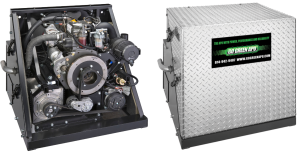
An Auxiliary Power Unit is a self-contained system that supplies power to a truck when the engine is turned off. APUs can provide heating, air conditioning, and electrical power, allowing drivers to remain comfortable during rest periods without excessive idling. This makes APUs especially valuable for long-haul drivers and fleets operating under anti-idling regulations.

Benefits of Using an APU

Installing an APU offers multiple advantages for both drivers and fleet owners: Reduced Fuel Consumption APUs consume significantly less fuel than idling a truck engine, leading to measurable fuel savings over time. Lower Engine Wear By reducing idle hours, APUs help extend engine life and lower maintenance costs. Improved Driver Comfort APUs provide climate control and power for electronics, improving rest quality and overall driver satisfaction. Compliance With Idling Regulations Many states enforce strict anti-idling laws. APUs help fleets stay compliant while maintaining comfort and functionality.
Types of APU Systems

There are several types of APUs available, including diesel-powered, battery-based, and hybrid systems. Each option offers unique benefits depending on route length, climate conditions, and operational needs. Choosing the right system requires an understanding of fleet usage, driver habits, and long-term cost considerations. Why Professional Installation and Support Matter Proper installation ensures optimal performance and reliability. Professional service also helps maintain warranty coverage and ensures systems operate efficiently in all conditions. Working with an experienced APU provider allows fleets to get the most value from their investment.

Long-Term Value for Fleets

APUs are more than a convenience—they’re a strategic investment. Over time, reduced fuel costs, lower maintenance expenses, and improved driver retention can deliver a strong return. APU Center supports fleets with reliable APU solutions that help improve efficiency, compliance, and comfort on the road.
Read more...

Why APU Center Is the Go-To Source for Auxiliary Power Units and Diesel Comfort Solutions

APU

When trucking companies, owner-operators, RV owners, and fleet managers need reliable power, comfort, and efficiency during idle time, they turn to APU Center. Specializing in the sales, repair, refurbishment, and parts for Auxiliary Power Units (APUs), generators, and power accessories, APU Center delivers dependable solutions built for long performance and real-world demands. What APU Center Specializes In APU Center provides full-service solutions for:
  • New, used, and refurbished Auxiliary Power Units
  • APU parts, controllers, and electronic components
  • Generators and inverters for trucks, RVs, and trailers
  • Diagnostic testing, maintenance, and complete APU rebuilds
  • Comfort and auxiliary power systems for a wide range of vehicles
From independent owner-operators to large commercial fleets, APU Center supports customers at every level. Why APUs Are Essential for Modern Fleets and RV Owners Idle restrictions are now common across the country, yet drivers still need power for heating, cooling, refrigeration, and electronics while parked. An APU allows operators to:
  • Power heating and air conditioning without running the main engine
  • Operate appliances and electronics during rest periods
  • Reduce fuel consumption and engine wear
  • Remain compliant with idle laws
  • Maintain comfort in extreme temperatures
This results in lower operating costs, longer engine life, and greater driver comfort. Expert Repairs, Refurbishing, and High-Quality Equipment APU Center is not just a supplier — it is a fully equipped service provider. Their refurbishment and repair services include:
  • Full APU diagnostics and troubleshooting
  • Rebuilding and repairing APU controllers and motherboards
  • Restoring used APUs to reliable working condition
  • Providing affordable alternatives to brand-new systems
Their experienced technicians help customers minimize downtime while maximizing performance. Who APU Center Serves APU Center proudly serves a wide range of industries and vehicle types, including:
  • Long-haul trucking fleets
  • Independent owner-operators
  • RV owners and travelers
  • Utility and service vehicles
  • Emergency response vehicles
  • Horse trailers, pull-behind trailers, and specialty haulers
If your vehicle requires power while stationary, APU Center offers proven solutions. Save Fuel, Reduce Wear, and Increase Comfort Using APUs instead of idling the primary engine provides significant benefits:APU
  • Reduced fuel consumption
  • Lower maintenance and repair costs
  • Extended engine life
  • Improved driver comfort and safety
  • Lower environmental impact
For fleets managing budgets and compliance—and individuals seeking reliable mobile power—APU Center delivers both performance and value. Why Choose APU Center
  • Full-service APU sales, repair, and refurbishment
  • New, used, and budget-friendly refurbished inventory
  • Decades of industry experience
  • Trusted by fleets, RV owners, and commercial operators
  • Reliable, tested equipment built for real-world use
When your comfort, power needs, and vehicle reliability matter, APU Center provides the solutions that keep you powered, compliant, and comfortable—mile after mile.  
Read more...

Why Smart Truckers and Fleets Trust APU Center for Auxiliary Power Units

Auxiliary Power Unit

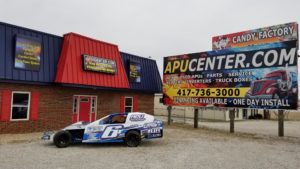
Every trucker knows the feeling: you’ve parked for the night, you need air conditioning or heat, maybe a little power for your fridge or laptop—and the only way to keep things running is to idle your big rig’s engine. The problem? Idling burns fuel, racks up maintenance costs, and eats away at profits. That’s exactly why APU Center exists. We’re here to give drivers and fleets across the country a smarter solution: Auxiliary Power Units (APUs) that keep trucks comfortable, efficient, and road-ready—without wasting money at the fuel pump. The Real Cost of Idling Truck idling may feel like a necessity, but the numbers tell a different story. Long hours of idle time lead to:APU Center Storefront, Auxiliary Power Units
  • Thousands of dollars wasted in fuel every year
  • Unnecessary wear on the engine, shortening its lifespan
  • Higher emissions, which not only hurt the environment but can put you at risk of fines under anti-idling laws
The truth is, idling isn’t free—it’s one of the most expensive “hidden costs” in trucking. Enter APU Center At APU Center, we’ve built our reputation on helping truckers reclaim that lost money and comfort. We don’t just sell APUs—we service, install, and stand behind every unit we provide. With new and refurbished models available, we make sure there’s an option for every budget. Why Drivers Choose Us:
  • Fuel Efficiency That Pays for Itself – With fuel costs constantly rising, APUs quickly become an investment that delivers real returns.
  • Driver Comfort, Anywhere – Heat in the winter, A/C in the summer, and power for your electronics—without the noise and cost of idling.
  • Fewer Breakdowns, Longer Truck Life – Limiting idle time means fewer oil changes, reduced wear, and more miles on the road.
  • Hands-On Expertise – Our team doesn’t just ship boxes; we know APUs inside and out, and we’re here to keep yours running strong.
New vs. Refurbished: The Right Fit for Every Driver Not every driver or fleet has the same needs. That’s why APU Center offers both:
  • Brand-New APUs for fleets and drivers who want the latest technology, maximum efficiency, and long-term reliability.
  • Refurbished APUs, carefully inspected and tested, giving budget-conscious truckers the same comfort and savings at a fraction of the cost.
Serving Fleets Coast-to-Coast Whether you’re an owner-operator hauling solo or a fleet manager overseeing hundreds of trucks, APU Center makes it easy to improve efficiency on a large scale. With nationwide service and dependable support, we’ve become the trusted name in auxiliary power for companies across the country. The Bottom Line Trucking is about more than moving freight—it’s about running a business. Every dollar counts, every mile matters, and every breakdown can cost you big. By partnering with APU Center, drivers and fleets gain more than an auxiliary power unit; they gain a tool that protects profits, extends truck life, and makes the road a lot more comfortable. If you’re tired of watching fuel dollars disappear into thin air, it’s time to think smarter. It’s time to think APU Center.  
Read more...

Maximize Fleet Efficiency: Why Preventative APU Maintenance Matters

Preventative maintenance for Auxiliary Power Units (APUs) isn’t just a matter of keeping things running—it’s a strategic approach that saves fleets real money, ensures compliance, and optimizes driver comfort. 1. Fuel Economy Gains Idling a Class 8 truck burns about 0.8–1 gallon of diesel per hour. Over 8 hours nightly, that’s up to 2,400 gallons per year—over $9,000 in fuel. Poorly maintained APUs, however, burn more fuel than optimal models. A proactive tune-up can cut that boost, typically offering $700–$1,500 in annual savings per unit. APU Center 2. Reduced Engine Wear & Repair Time Idling equates to roughly 80 miles of engine wear per hour. Every hour saved with a well-maintained APU preserves engine health, reducing oil change frequency and major repairs. A premature engine overhaul can cost tens of thousands; preventative care helps avoid that. APU Center 3. Avoiding Regulatory Penalties Many states enforce idling restrictions, with fines often ranging from $300 to $1,000 per incident—especially in clean-air regions like California and New York. An efficient APU keeps you in compliance and shields against costly violations. APU Center 4. Enhancing Driver Comfort A reliable APU provides consistent heating and cooling, essential for driver well-being and alertness during mandated rest periods. Preventative checks ensure the HVAC system operates efficiently—no surprises during harsh weather. 5. Extending APU Lifespan A neglected APU often fails early. Filter replacements, coolant flushes, firmware updates, and inspections of tubing and mounts help prevent breakdowns. The cost of a midline APU replacement can reach $10,000+, while preventative service is just a fraction—typically $200–$600 annually. 6. Optimized Productivity & Uptime APU Center provides tailored preventative service packages—including diagnostics and on-site inspections—designed to keep fleets on the road. Their skilled technicians handle everything from routine filters to electrical system tests. APU Center The result? Less downtime and more reliable off-hour operations. What Your Preventative Maintenance Checklist Should Include: Oil & fuel filter changes Coolant system flushes Battery voltage & alternator efficiency tests Inspection of mounting hardware & vibration pads Firmware updates (for electronic/battery APUs) HVAC thermostat & ductwork evaluation Choosing the Right Maintenance Plan APU Center offers customizable service tiers tailored to usage: Tier Includes Basic Biannual fluid changes, filter replacements Premium Basic + thermal checks, firmware updates, safety inspections Fleet Premium + on-site visits, priority scheduling, full diagnostics Ask your rep for estimated ROI comparisons—APU Center provides personalized quotes showing ROI, fuel savings, and compliance benefits.
Read more...

Save Fuel & Stay Comfortable: Why Truckers Choose APU Center

APU Center

If you’re a professional truck driver or fleet manager, you know the importance of comfort, reliability, and operational efficiency. That’s exactly what APU Center delivers through expert auxiliary power unit (APU) installations designed to enhance cab comfort, extend engine life, and reduce fuel costs.

What Is an Auxiliary Power Unit (APU)?

An APU is a compact, auxiliary engine that allows trucks to power heating, cooling, lights, and electronics without idling the main engine. With idling restrictions tightening and fuel prices fluctuating, APUs have become essential, cost-effective upgrades for modern fleets.

How APU Center Helps Drivers & Fleets

  1. Industry Expertise With deep experience in professional APU installs, APU Center understands how to integrate units seamlessly into all cab makes and models. Their team ensures every installation is done to code and maximizes efficiency.
  2. Fuel Savings & Emissions Reductiontrucking, apu center By using an APU instead of idling the main engine, drivers can save hundreds of gallons of fuel annually. This leads to lower operating costs and reduced emissions—important for local idling ordinances.
  3. Improved Vehicle Longevity Reducing engine idle hours helps preserve engine health, lowers maintenance costs, and extends the life of your vehicle. APU Center’s installations are designed with durability and long-term reliability in mind.
  4. Enhanced Comfort on the Road Drivers enjoy better climate control and power for onboard electronics, all without noise or vibration. An APU-equipped cab stays cool in hot weather and warm in winter—supporting better rest and alertness.

Who Benefits from APU Center?

  • Owner-operators looking to reduce fuel costs and improve comfort.
  • Fleet managers aiming to standardize APU installations and lower emissions across their teams.
  • Hotshot and regional haulers who frequently stop and need dependable power off the engine.

Why Choose APU Center?

  • Tailored Installations: Customized solutions for every truck layout.
  • Regulation Compliance: Professional installations that meet EPA and state idling rules.
  • Ongoing Support: Reliable service plans and maintenance after installation.
  • Proven Results: Positive feedback from customers praising fuel savings and comfort improvements.

Start Saving Today

Interested in seeing how much you can save? Contact APU Center through apucenter.com or call to discuss your truck model and usage patterns. Their team will provide a personalized quote showing estimated fuel savings, emissions reductions, and ROI over time.

Final Takeaway

An APU installation from APU Center isn’t just an upgrade—it’s a smart business decision. From slashing fuel costs and emissions to improving cab comfort and preserving engine health, APU Center delivers long-term value for truckers and fleets across the country.

Read more...

Troubleshooting Common APU Issues: Quick Fixes & When to Call a Pro

Auxiliary Power Units (APUs) are critical for comfortable rest periods and engine preservation—but sometimes problems arise. The good news? Many common issues can be fixed quickly with basic checks. Here’s a DIY troubleshooting guide, and tips on when to reach out to APU Center’s professionals. 1. APU Won’t Start Common Causes: Low battery voltage, fuel delivery blockage, or a blown fuse. Quick Fixes: Check battery voltage (should be ≥12.4V). Inspect and replace blown fuses. Check fuel supply: ensure the tank has clean, fresh fuel and no sediment blocking the line. When to Call a Pro: If battery and fuses are fine but it still won’t start, internal fuel pump or control module diagnostics may be needed. 2. Rough Idle or Shutting Off Common Causes: Dirty fuel filters, clogged air intake, or incorrect idle RPM settings. Quick Fixes: Replace fuel and air filters. Clean intake vents. Adjust idle settings—refer to your APU manual. When to Call: Extreme fluctuation in RPM or frequent stalling—let a certified tech check sensors and governor system. 3. No Heat or Cooling Common Causes: Low coolant level, failed thermostat, or fan malfunction (on cooling models). Quick Fixes: Top off coolant to recommended levels. Inspect for leaks, damage, or frayed hoses. Ensure thermostat is opening/closing properly. Check fan operation—blown fuse or motor failure could be culprit. When to Call: If coolant leaks persist or thermostat/fan replacement is required. 4. Warning Lights or Error Codes Common Causes: Electrical issues—low battery or open circuits, or sensor malfunctions. Quick Fixes: Read codes (many modern APUs display simple error codes). Inspect wiring harness and connectors for corrosion or looseness. Reset system by restarting the APU. When to Call: Persistent codes, recurring faults, or no-code but visible system underperformance—pro-grade diagnostics needed. 5. Excessive Fuel Consumption Common Causes: Aging fuel lines, injector wear, or poor combustion. Quick Fixes: Check for leaking fuel lines. Ensure injectors are clean or replace. Service combustion chamber—clean carbon buildup. When to Call: If fuel draw remains high despite checks, an APU Center technician can perform in-depth calibration and performance tuning. Additional Pro Tips Schedule routine inspections: Early fault detection reduces downtime. Pre-trip self-check: Take 5 minutes before high-idle periods to monitor gauges. Use OEM parts: Aftermarket gear may void warranties or reduce efficiency. When DIY Isn’t Enough APU Center’s certified technicians carry full diagnostic tools and replacement parts. They offer mobile service at truck stops and fleet yards across North America—so you don’t need to haul your rig to a shop. Complex electrical faults, fuel pump rebuilds, or logic board repairs are best left to pros. Final Thoughts Basic checks can resolve most APU hiccups. But for persistent or safety-critical issues, professional service prevents unexpected breakdowns and costly repairs. Prevent minor issues today to avoid major repairs tomorrow. Experiencing ongoing APU trouble? Schedule a deluxe inspection with APU Center now: call (417) 736-3000 or visit Contact Us.
Read more...
Shopping cart0
There are no products in the cart!
Continue shopping
0