APU Lifespan: Usage, Maintenance, & Comparison Guide
APU Lifespan: Usage, Maintenance, & Comparison Guide
For owner-operators and fleet managers alike, an Auxiliary Power Unit (APU) represents a significant investment in operational efficiency, driver comfort, and fuel savings. However, the true value of an APU is intrinsically linked to its service life. Understanding the factors that dictate APU durability, the impact of rigorous maintenance, and how different types of units compare is crucial for maximizing your return on investment. At The APU Center, our technical team brings decades of "grease-under-the-fingernails" expertise, combining hands-on diesel mechanics with modern fuel-efficiency consulting to ensure you stop wasting fuel and start saving money.
This guide delves into the realities of APU lifespan, providing a no-nonsense overview of what affects their longevity and how strategic usage and maintenance can significantly extend their operational years. We'll compare the typical service life of various APU types and offer practical advice to optimize your fleet's APU longevity.
Understanding APU Lifespan: What to Expect
The lifespan of an Auxiliary Power Unit is not a simple, fixed number. It's a dynamic metric influenced by a multitude of factors, typically measured in operating hours or years. For most quality engine-driven diesel APUs, a reasonable expectation is a service life ranging from 8,000 to 15,000 operating hours, or roughly 5 to 10 years under typical heavy-duty trucking conditions. Battery-electric APUs, while having a different set of wear components, also have a significant expected service life, often tied to the longevity of their advanced battery banks.
It's important to distinguish between the advertised lifespan and the real-world performance. While manufacturers provide estimates, actual APU durability is heavily dependent on how the unit is used and maintained. An APU that runs continuously in extreme temperatures with neglected service will inevitably fail much sooner than one operated judiciously and serviced according to a strict schedule.
What Constitutes "End of Life" for an APU?
An APU reaches its "end of life" when the cost of repairs consistently outweighs the benefits of continued operation, or when major components fail beyond economical repair. This could manifest as:
- Repeated, costly breakdowns of critical components (engine, compressor, generator).
- Significant decline in efficiency, leading to increased fuel consumption.
- Inability to meet performance requirements (e.g., insufficient cooling/heating capacity, unstable power output).
- Persistent issues with emissions compliance, particularly for older diesel units.
Factors Influencing APU Durability
Several critical factors directly impact the long-term durability and operational lifespan of an APU. Understanding these allows for proactive management and mitigation of premature wear.
Usage Patterns and Operating Environment
- Duty Cycle: APUs that run for extended, continuous periods (e.g., 10-12 hours per day) will accumulate hours faster than those used intermittently. However, frequent short cycles (start-stop) can also be detrimental, especially for engine-driven units, as they don't allow the engine to reach optimal operating temperatures and create more wear during startup.
- Load Demands: Consistently running an APU at or near its maximum load capacity can accelerate wear on the engine, generator, and compressor. Conversely, operating an APU with too light a load can lead to "wet stacking" in diesel engines, causing carbon buildup and reduced efficiency.
- Climate Conditions: Extreme heat places additional strain on cooling systems and electrical components. Extreme cold can make starting more difficult, increase engine wear, and reduce battery performance. Dust, humidity, and road salt also contribute to corrosion and component degradation.
Quality of Installation
A professional, high-quality installation is foundational to an APU's long life. Poor installation can lead to:
- Vibration damage due to inadequate mounting.
- Electrical issues from improper wiring or grounding.
- Fuel delivery problems from incorrect line routing or filtration.
- Restricted airflow leading to overheating.
- Premature failure of components due to stress.
Manufacturer and Component Quality
Not all APUs are created equal. Reputable brands like Thermo King (TriPac/Evolution), Carrier, and others invest heavily in research, development, and quality control. Higher-quality components, from the engine block to the alternator and compressor, are designed for longevity and resilience in demanding commercial trucking environments. Investing in a proven brand typically translates to a longer, more reliable service life.
The Critical Role of APU Maintenance
No single factor impacts fleet APU longevity more significantly than consistent, high-quality maintenance. Ignoring manufacturer-recommended service intervals is a direct path to premature failure and costly repairs. Think of APU maintenance as preventative medicine for your equipment.
Essential Maintenance Tasks and Their Impact
- Oil and Filter Changes: This is paramount for engine-driven APUs. Engine oil lubricates moving parts, dissipates heat, and cleans contaminants. Old, dirty oil loses its viscosity and protective properties, leading to accelerated engine wear, reduced fuel economy, and potential catastrophic failure. Filters (oil, fuel, air) prevent abrasive particles from damaging critical engine components.
- Coolant System Checks: Proper coolant levels and condition are vital for preventing overheating. Overheating can warp engine components, blow head gaskets, and severely damage the engine. Antifreeze also protects against corrosion and freezing.
- Belt and Hose Inspections: Belts drive accessories like the alternator and compressor. Hoses carry fluids. Cracks, fraying, or leaks indicate impending failure, which can lead to overheating, loss of power, or loss of climate control.
- Battery Health Monitoring: For both engine-driven and battery-electric APUs, the battery system is critical. Regular checks of terminal connections, electrolyte levels (for flooded batteries), and overall charge state prevent starting issues and ensure consistent power delivery. This is particularly important for battery-electric units where the battery bank is the primary power source. For more on managing your power storage, refer to our guide on APU Battery Banks: Configs & Management.
- Fuel System Maintenance: Especially for diesel units, keeping the fuel system clean is crucial. Water separators and fuel filters prevent contaminants from reaching the injection system, which can cause poor performance or severe damage.
- Electrical System Inspections: Loose connections, frayed wires, or corroded terminals can lead to intermittent operation, power loss, or even electrical fires. Regular inspections ensure reliable power delivery to all components.
Adhering to these maintenance schedules is not merely about fixing problems; it's about preventing them. Proactive maintenance extends component life, maintains efficiency, and reduces unexpected downtime, ultimately saving you money.
APU Lifespan by Type: Engine-Driven vs. Battery-Electric
The core technology behind an APU significantly influences its expected lifespan, maintenance requirements, and common failure points. Let's compare the two primary types:
Engine-Driven (Diesel) APUs
These units feature a small diesel engine that powers an alternator and a compressor for HVAC. They are robust and capable of sustained operation in various climates, providing continuous power and climate control for extended periods.
- Typical Lifespan: 8,000 to 15,000 operating hours (5-10 years), with some well-maintained units exceeding 20,000 hours.
- Key Wear Components: Engine (pistons, rings, bearings, valves), fuel injectors, starter, alternator, compressor, belts, hoses, filters.
- Maintenance Impact: Highly dependent on regular oil changes, fuel filter replacements, coolant system checks, and belt/hose inspections. Neglect in any of these areas will drastically reduce lifespan.
- Common Failure Points: Engine failure due to lack of lubrication, fuel system contamination, overheating, or worn-out internal components. Compressor issues (leaks, bearing failure).
Battery-Electric APUs
These units rely on a bank of deep-cycle batteries to power an inverter for AC loads and an electric compressor for cooling, with a separate heater for warmth. They are silent, emission-free during operation, and require less mechanical maintenance.
- Typical Lifespan: 4-7 years for the primary battery bank, with the electrical components (inverter, compressor, control module) potentially lasting longer, 7-10+ years. The lifespan is largely dictated by battery cycle life and proper charging.
- Key Wear Components: Battery bank (the most significant wear component), electric compressor, inverter, charging system components.
- Maintenance Impact: Focus shifts from engine-related tasks to battery management. Regular battery health monitoring, ensuring proper charging cycles, and maintaining clean, tight electrical connections are paramount. The longevity of the battery bank is the primary determinant of the overall unit's service life.
- Common Failure Points: Battery degradation due to improper charging, deep cycling, or age. Inverter failure from overload or heat. Electric compressor issues.
While engine-driven APUs have more moving parts and thus more potential points of failure, their components are often rebuildable or replaceable. Battery-electric APUs offer simplicity but hinge heavily on the lifespan and performance of their advanced battery technology. For fleets looking to manage their units more effectively, integrating Smart APU Systems: IoT & Remote Monitoring for Fleets can provide invaluable data on usage and battery health.
Maximizing Your APU's Service Life: Best Practices
Extending your APU's service life beyond average expectations is achievable with a disciplined approach to operation and maintenance. Our team at The APU Center emphasizes these best practices:
1. Adhere Strictly to Manufacturer's Maintenance Schedule
This cannot be overstated. Follow the service intervals for oil changes, filter replacements, coolant flushes, and general inspections. These schedules are developed based on extensive testing and are designed to prevent premature wear. Use only manufacturer-recommended fluids and parts or high-quality equivalents.
2. Train Drivers on Proper APU Operation
Driver behavior significantly impacts APU longevity. Ensure drivers understand:
- Proper Startup and Shutdown Procedures: Allowing a diesel engine to warm up before applying heavy loads and cool down before shutdown can prevent thermal shock and reduce wear.
- Monitoring Gauges and Indicators: Drivers should be trained to recognize warning lights, unusual noises, or performance drops and report them immediately.
- Avoiding Overload: Educate drivers on the APU's capacity and discourage running excessive electrical loads simultaneously.
3. Optimize Usage for Efficiency and Longevity
- Minimize Short Cycling: For engine-driven units, aim for longer, more continuous run times rather than frequent short bursts, allowing the engine to reach and maintain optimal operating temperature.
- Match APU to Needs: Ensure the APU's capacity is appropriate for the typical loads it will handle. An undersized APU will be constantly overstressed; an oversized one might experience wet stacking.
- Consider Environmental Factors: When possible, park in shaded areas in summer to reduce cooling load, or utilize shore power when available to reduce APU run hours.
4. Implement a Proactive Monitoring Program
Modern APUs often come with diagnostic capabilities. Utilizing these, or integrating aftermarket monitoring solutions, allows for early detection of potential issues. Tracking run hours, fuel consumption, battery voltage, and error codes can prevent minor problems from escalating into major failures. This data is also invaluable for calculating your APU Fuel Consumption: Models & Routes and optimizing operations.
5. Address Issues Promptly
Do not defer repairs. A small leak, an unusual noise, or a minor electrical glitch can quickly lead to more significant and expensive damage. Prompt diagnosis and repair by qualified technicians are crucial.
When to Repair vs. Replace Your APU
Deciding whether to repair a failing APU or invest in a new one is a common dilemma for owner-operators and fleet managers. This decision hinges on a careful cost-benefit analysis and consideration of long-term operational goals.
Factors Favoring Repair:
- Minor Component Failure: If the issue is isolated to a single, relatively inexpensive component (e.g., a starter motor, a fan, a sensor), repair is often the most economical choice, especially if the rest of the unit is in good condition.
- Low Overall Run Hours: An APU with low run hours but an isolated failure still has significant life expectancy remaining.
- Warranty Coverage: If the repair is covered under warranty, it's a clear choice.
- Availability of Parts and Expertise: If parts are readily available and your technicians or trusted service center can perform the repair efficiently, it supports the repair option.
Factors Favoring Replacement:
- Major Component Failure: If the engine, compressor, or inverter fails on an older unit, the cost of replacement can approach or exceed the cost of a new APU.
- Frequent Breakdowns: An APU that requires constant, recurring repairs is a drain on resources and leads to excessive downtime.
- High Run Hours/Age: An APU nearing or exceeding its expected service life, especially with high run hours, is more prone to cascading failures.
- Technological Advancements: New APUs offer significant improvements in fuel efficiency, emissions compliance, and features. Upgrading can provide better long-term savings and enhance driver comfort. Older units may struggle to meet evolving APU Emissions Standards: EPA, CARB & State Compliance.
- Reduced Reliability: If an APU's reliability is compromised, it directly impacts driver productivity and satisfaction.
To aid in this decision-making process, we recommend utilizing an APU ROI Calculator: Maximize Truck Fleet Savings. This tool helps quantify the financial implications of repair versus replacement, considering factors like fuel savings, maintenance costs, and potential downtime.
The Economic Impact of APU Longevity on Fleets
The lifespan of an APU extends far beyond its mechanical durability; it has a profound economic impact on a fleet's bottom line. Investing in APU longevity is not just about avoiding repair costs; it's about optimizing overall operational economics.
Reduced Total Cost of Ownership (TCO)
A longer-lasting APU translates directly to a lower TCO. Spreading the initial capital expenditure over more years of reliable service reduces the annual depreciation and the frequency of replacement purchases. This predictable cost structure allows fleets to budget more effectively.
Minimized Downtime and Increased Uptime
Every hour a truck sits idle in the shop for APU repairs is an hour it's not generating revenue. Reliable, long-lasting APUs minimize unscheduled maintenance events, keeping trucks on the road and delivering loads. This increased uptime directly contributes to profitability.
Consistent Fuel Efficiency
Well-maintained APUs operate at peak efficiency throughout their lifespan, delivering consistent fuel savings compared to idling the main engine. As an APU ages and its components wear, efficiency can degrade. A longer-lasting, well-maintained unit ensures these savings are realized for more years.
Enhanced Driver Satisfaction and Retention
A dependable APU provides consistent climate control and power for driver amenities, directly contributing to driver comfort and quality of life on the road. Drivers are more satisfied and less likely to experience fatigue when their APU works reliably. This indirectly impacts fleet economics by reducing driver turnover and associated recruitment costs. According to the American Trucking Associations (ATA), driver retention is a critical issue for the industry, and APUs play a role in improving driver working conditions.
Improved Resale Value of Trucks
Trucks equipped with well-maintained, functional APUs often command a higher resale value. Buyers recognize the added value of a reliable auxiliary power system, which can offset some of the initial APU investment.
Regulatory Compliance and Environmental Benefits
Long-lasting, well-maintained APUs help fleets comply with anti-idling regulations and reduce emissions over a longer period. This not only avoids potential fines but also contributes to a fleet's sustainability goals. The U.S. Environmental Protection Agency (EPA) actively promotes anti-idling technologies like APUs to reduce air pollution from heavy-duty vehicles.
APU Lifespan Comparison: Key Takeaways
The service life of an Auxiliary Power Unit is not a fixed metric but a variable outcome of proactive management. Here are the critical takeaways for owner-operators and fleet managers:
- Maintenance is King: Regular, diligent adherence to manufacturer-recommended service schedules is the single most impactful factor in extending APU durability. Neglect is the fastest route to premature failure.
- Understand Your APU Type: Engine-driven APUs require mechanical upkeep, while battery-electric units demand stringent battery management. Each has its own set of wear components and maintenance priorities.
- Quality Matters: Investing in reputable brands and ensuring professional installation pays dividends in long-term reliability and service life.
- Driver Education is Essential: Proper operation by drivers, including monitoring and reporting issues, contributes significantly to APU longevity.
- Economic Advantage: A longer APU lifespan directly translates to lower total cost of ownership, reduced downtime, consistent fuel savings, and improved driver satisfaction.
At The APU Center, we understand that every mile and every hour counts. Our expertise in leading APU brands – including Thermo King (TriPac/Evolution), Honda, Espar, Webasto, and Aries – allows us to provide unparalleled service, from initial system design to complex electrical troubleshooting and complete unit refurbishment. We don't just sell APUs; we ensure they perform optimally for their maximum possible lifespan, helping you achieve your "Stop Wasting Fuel – Start Saving Money" promise.
Frequently Asked Questions About APU Lifespan
What is the average lifespan of a diesel APU?
The average lifespan for a well-maintained diesel APU typically ranges from 8,000 to 15,000 operating hours, which can translate to 5 to 10 years of service under typical heavy-duty trucking conditions. Some units, with exceptional maintenance, can exceed 20,000 hours.
How does maintenance impact APU durability?
Maintenance is paramount. Regular oil and filter changes, coolant system checks, belt and hose inspections, and electrical system checks prevent premature wear, maintain efficiency, and significantly extend the APU's operational life. Neglecting these tasks is the primary cause of early APU failure.
Do battery-electric APUs last as long as diesel APUs?
The lifespan of battery-electric APUs is primarily dictated by the longevity of their battery bank, which typically lasts 4-7 years depending on usage and charging practices. The electrical components (inverter, compressor) may last longer, potentially 7-10+ years. While the core components differ, proper battery management is key to their overall service life, similar to how engine maintenance is critical for diesel units.
What are the signs that my APU is nearing its end of life?
Signs an APU is nearing its end of life include frequent and costly breakdowns, significant decrease in fuel efficiency, inability to maintain consistent cooling or heating, excessive smoke or unusual noises from engine-driven units, or a rapidly diminishing battery charge capacity for electric units. When repair costs start to approach the cost of a new unit, replacement should be considered.
Can extreme weather conditions affect my APU's lifespan?
Yes, extreme weather conditions can significantly impact APU lifespan. Extreme heat stresses cooling systems and electrical components, while extreme cold can make starting difficult and increase engine wear. Dust, humidity, and road salt also accelerate corrosion and component degradation, especially if the unit is not regularly cleaned and inspected.
Is it more cost-effective to repair an old APU or buy a new one?
The decision to repair or replace depends on several factors: the age of the APU, its total operating hours, the cost of the repair relative to a new unit, and the frequency of past repairs. If major components fail on an older unit, replacement is often more cost-effective due to the benefits of newer technology, improved efficiency, and a fresh warranty. Utilizing an APU ROI Calculator can help quantify this decision.
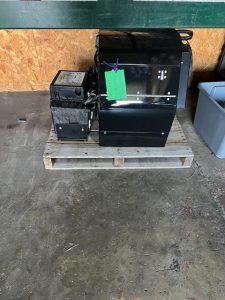 Lower Engine Wear
By reducing idle hours, APUs help extend engine life and lower maintenance costs.
Improved Driver Comfort
APUs provide climate control and power for electronics, improving rest quality and overall driver satisfaction.
Compliance With Idling Regulations
Many states enforce strict anti-idling laws. APUs help fleets stay compliant while maintaining comfort and functionality.
Lower Engine Wear
By reducing idle hours, APUs help extend engine life and lower maintenance costs.
Improved Driver Comfort
APUs provide climate control and power for electronics, improving rest quality and overall driver satisfaction.
Compliance With Idling Regulations
Many states enforce strict anti-idling laws. APUs help fleets stay compliant while maintaining comfort and functionality.